For the first time in Olympic history, an Olympic sporting event is taking place on African soil, with Senegal making history as host of the Dakar 2026 Youth Olympic Games.
The Games officially opened on October 31 in Diamniadio, Senegal, marking a significant milestone for the country and the wider continent. Beyond the sporting competition, the opening ceremony offered a glimpse into Senegalese culture, placing its traditions, creativity and identity at the centre of the global event.
An Opening Ceremony Rooted in African Culture
Senegal ensured its first Olympic moment reflected a strong sense of identity. Traditional wrestling, folk theatre, dance, percussion and music shaped the opening ceremony, bringing the country’s cultural heritage to an international audience.
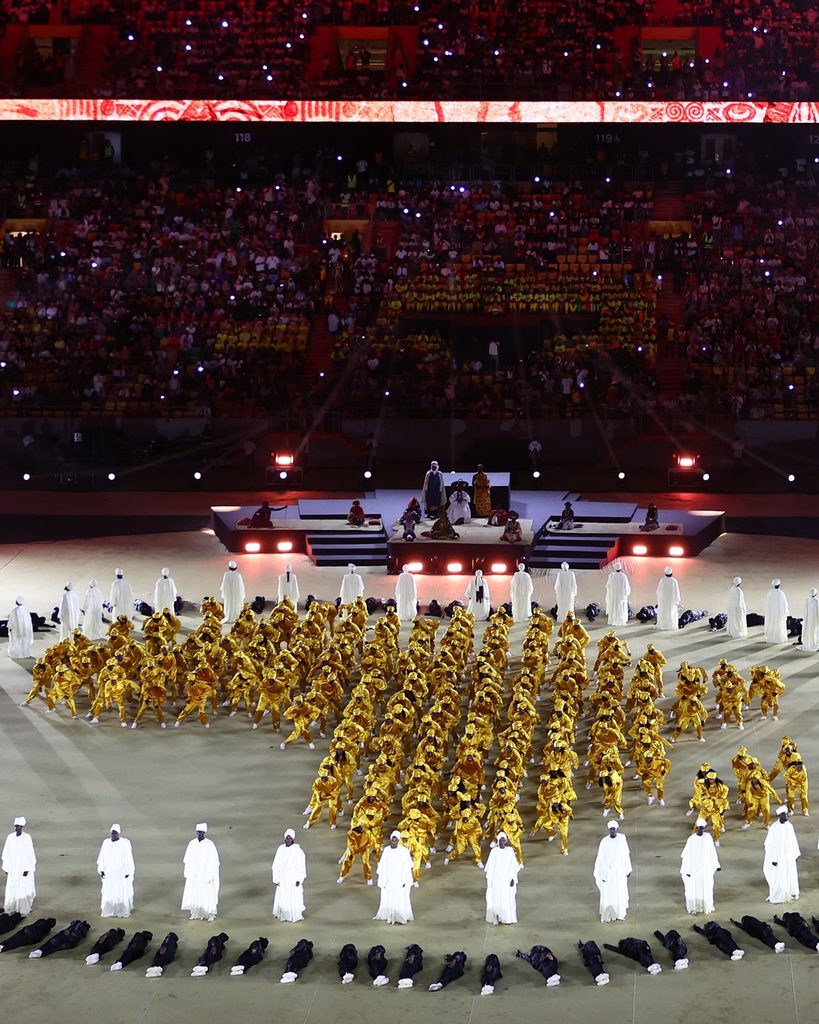
Among the performances were simb, Senegal’s traditional false-lion dance associated with folk theatre, and bakk, the ritual dance performed before traditional wrestling (laamb) bouts. The wrestling sequence featured prominent Senegalese wrestlers, including Modou Lô and Eumeu Sène, bringing a familiar part of Senegalese sporting culture into the Olympic spotlight.
Music was equally central to the celebration. Senegalese music legend Baaba Maal led the musical tributes alongside Kiné Lam and hip-hop group Daara J Family. They were joined by Gambian kora musician Sona Jobarteh and Nigeria was also represented through spoken word, with poet Ibukunoluwa Aramide Ajagbe, popularly known as IB Quake, taking part in the ceremony. Her inclusion brought poetry into a celebration that brought together different African art forms, voices and cultural traditions.
One of the ceremony’s most striking moments came when 360 dancers moved in unison to form a giant map of Africa, paying tribute to the continent’s 54 countries. It was a visual celebration of African identity, diversity and shared heritage.
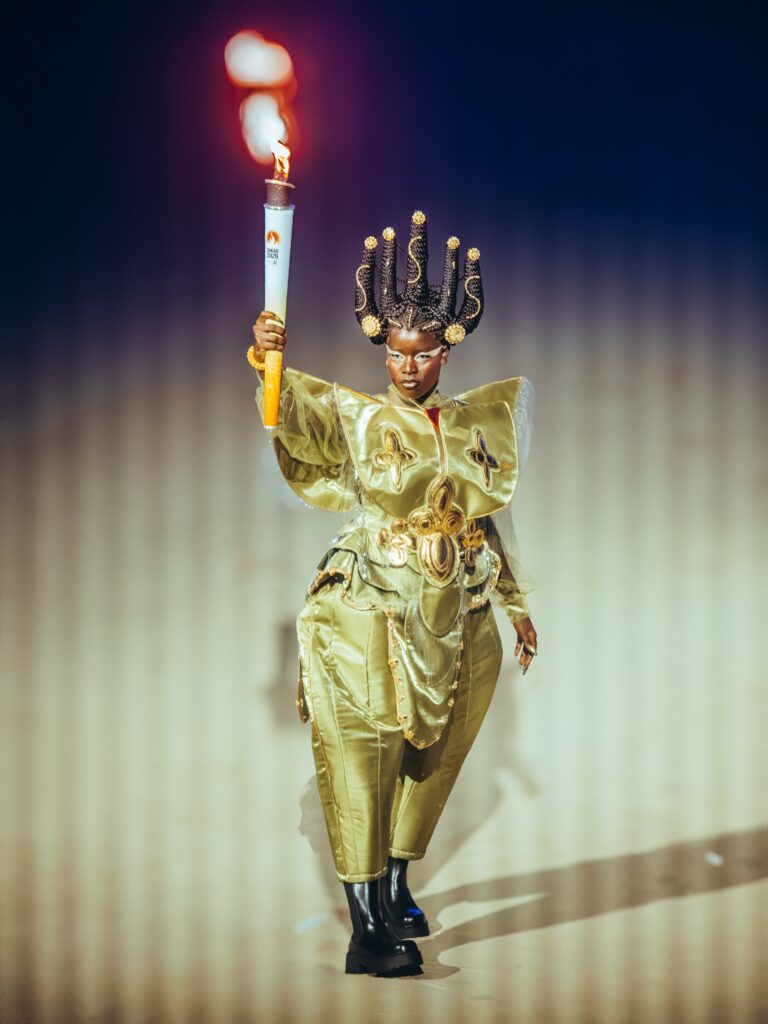
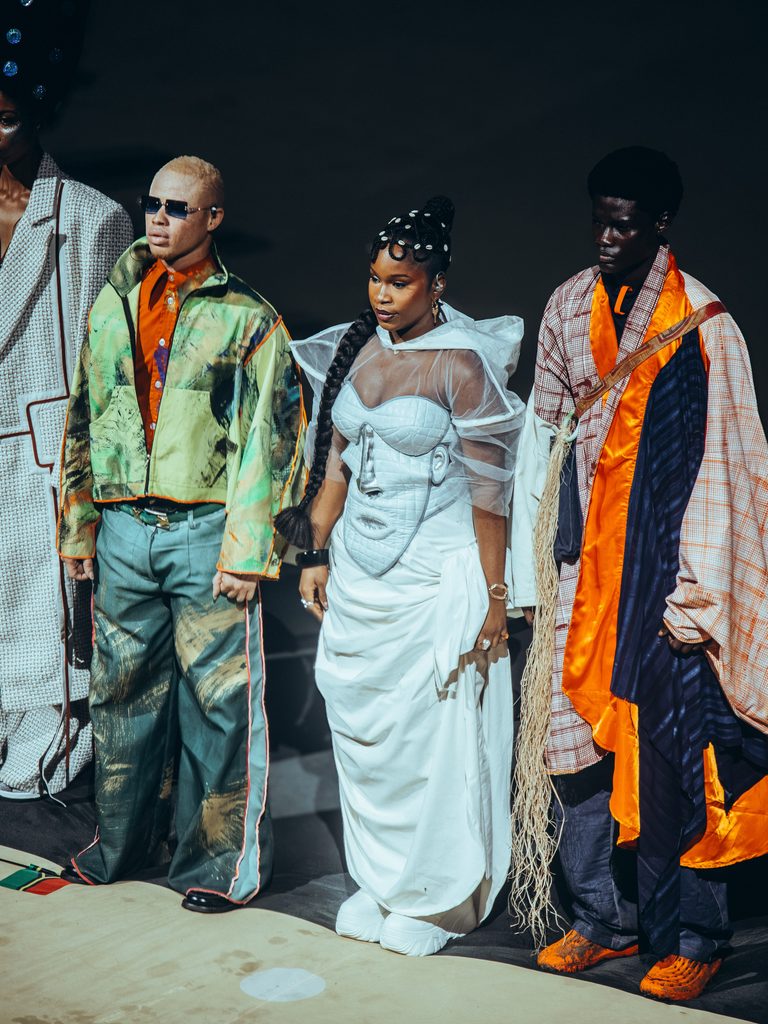
The creative work behind the ceremony was just as significant. Nearly 1,500 costumes were made locally, involving around 100 Senegalese craftspeople and creative professionals. Their work placed local designers, tailors and artisans at the heart of an international event, showing how much creative talent went into bringing the spectacle to life.
What This Means for Africa
For a long time, Africa has watched some of the world’s biggest sporting moments unfold elsewhere. Dakar 2026 changes that picture. It puts an African city at the centre of an Olympic event, giving the continent an opportunity to shape the experience rather than simply watch from the sidelines.
There is also something bigger happening beyond the stadiums. Hosting the Games creates room for African creatives, designers, cultural practitioners, businesses and local talent to contribute to an international event of this scale. It shows what becomes possible when African culture is given the space, resources and platform to tell its own story.
For the next generation, it offers a different kind of inspiration. Young Africans can see their continent hosting the world, their culture taking centre stage and their cities becoming part of global sporting history.
Dakar 2026 may be taking place in Senegal, but its significance stretches far beyond its borders. It is a reminder that Africa can host the world’s attention, on its own terms.