
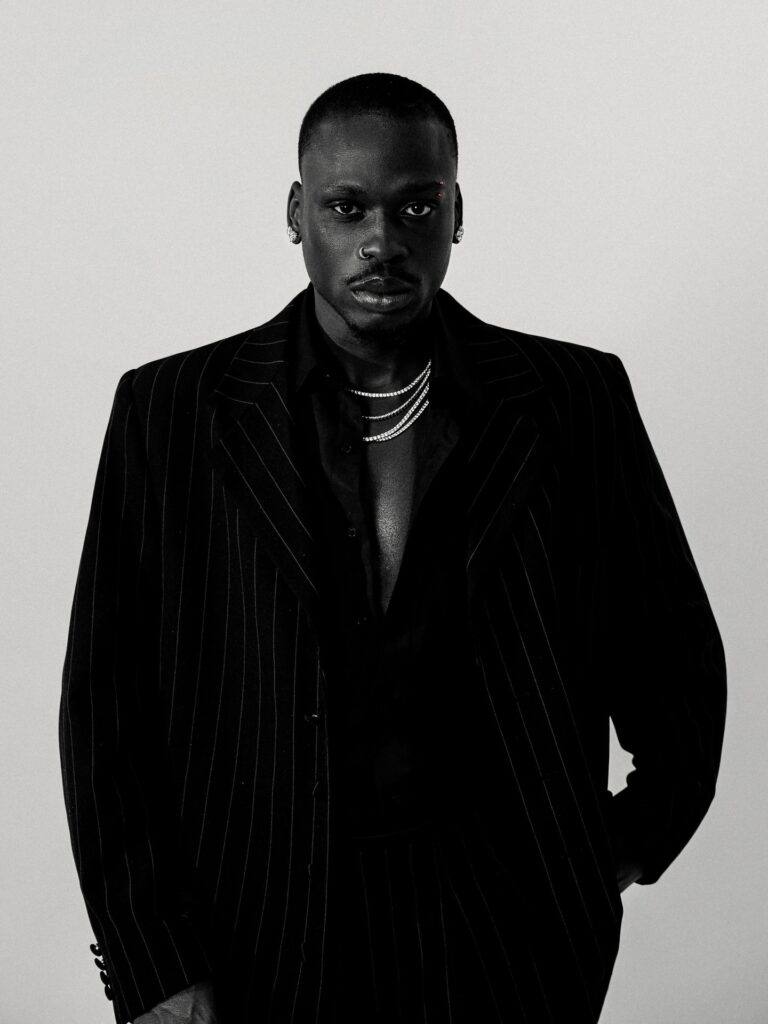
From the hopeless romantic of Laughter, Tears & Goosebumps to the self-assured energy of Playboy and now ZUKO!, Fireboy DML has given us quite a few versions of himself. And honestly, we have enjoyed watching each one unfold.
There is something interesting about following an artist’s career long enough to recognise the different versions of them. The music changes, the visuals evolve, the hairstyles come and go, and suddenly, you are looking back at an artist’s discography like chapters in a coming-of-age story.
Fireboy DML is one of those artists. Since emerging with Jealous, he has moved through different sounds, moods and creative identities, giving each album its own personality. Some eras have been about love and longing, others about confidence, experimentation and figuring things out. Yet, somehow, you can still recognise Fireboy in all of them.
So, with ZUKO! opening another chapter, we thought it was a good time to revisit the many eras of Fireboy DML.
Before Jealous became the song everyone knew, there was Magic. Released in 2018, the track offered an early glimpse of the romantic songwriting and melodic sensibility that would later become central to Fireboy’s sound. He was still finding his footing, but the ingredients were already there: thoughtful lyrics, smooth vocals and a knack for making affection sound effortless.

Then came Jealous. First released on YBNL’s YBNL Mafia Family compilation in 2018, before its official single release in 2019, the song introduced Fireboy to a much wider audience. Its story of possessiveness and romantic uncertainty was catchy without losing its emotional detail. It was the kind of song you could sing along to while still feeling every word.
By the time his debut album, Laughter, Tears & Goosebumps, arrived in November 2019, Fireboy had already given listeners a sound they could recognise. And if there is one thing he made clear with that album, it is that he knows his way around feelings.
Across songs like “Need You”, “What If I Say”, “Like I Do” and “Vibration”, he explored affection, desire, heartbreak and the uncertainty that comes with being emotionally invested. There was a softness to his music that made it easy to connect with. He could make a love song feel intimate without making it overly complicated, and even when things got messy, there was something beautiful about the way he told the story.
The album also stood out for its production and cohesive sound, with Pheelz, Cracker Mallo, Echo the Guru, IamBeatz and P.Priime contributing to its sonic identity. It was a confident debut, especially for an artist still introducing himself to the industry. For many listeners, this was the Fireboy they fell in love with: the romantic whose songs always seemed to understand exactly how you felt.
But he wasn’t going to stay in that lane forever. With APOLLO, released in August 2020, Fireboy began stretching beyond the identity his debut had established. The romantic songwriting was still there, but the album carried a different kind of confidence. Songs like “Eli”, “New York City Girl”, “Tattoo” and “Champion” showed him exploring ambition, sensuality, self-belief and different sides of his personality.
There was also more room for experimentation in the production. He moved between Afropop, R&B and other influences while retaining the melodic quality that had made his debut so appealing. It felt like Fireboy was getting more comfortable with his abilities. He had already shown listeners what he could do with love songs. With APOLLO, he was making it clear that there was much more to his artistry.
And then, just when we thought we had him figured out, Peru happened. In 2021, Fireboy released “Peru”, and the song quickly took on a life of its own. Its breezy production and infectious melody travelled far beyond its original audience, eventually reaching an even wider international audience through the remix featuring Ed Sheeran. The remix reached No. 2 on the UK Singles Chart, marking a major moment in Fireboy’s international rise. Suddenly, the boy whose music had soundtracked our romantic situationships was sharing a global hit with one of the world’s biggest pop stars.
But the bigger shift was happening in his confidence. By the time Playboy arrived in 2022, Fireboy was ready to loosen up. The album marked a departure from the more vulnerable and introspective persona of his first two projects. He leaned into a more playful, expressive and self-assured identity.
Tracks like “Playboy”, “Bandana” with Asake and “Diana” with Chris Brown and Shenseea reflected that change. There was more swagger, more energy and a willingness to have fun with his music. Interestingly, Fireboy explained that the title Playboy was about being ready to come out and play, rather than the conventional image associated with the word. After experiencing writer’s block while making the album, recording “Peru” in San Francisco helped him rediscover his creative freedom.
This was Fireboy stepping into his superstar era, and he seemed to be enjoying every bit of it. After the confidence and experimentation of Playboy, Adedamola felt like a return to some of the things that first drew listeners to Fireboy’s music. The lover boy was back, but with a little more life experience behind him.
Released in August 2024, the album was more personal and reflective. Fireboy drew from experiences of loss, personal growth and the changes that came with becoming an adult. He described the project as a way of reconnecting with his roots and his true self.
The romantic side was still present, but the songwriting carried more maturity. Songs like “Call Me”, “Hell and Back” and “Letting Go” explored love, relationships and emotional uncertainty from a more considered perspective.
The album also introduced new textures to his sound. Collaborations with Lagbaja, Seun Kuti and Jon Batiste brought different musical influences into the project, while songs like “Back n Forth” and “Ecstasy” gave those collaborations room to shine. There was an ease to the way Fireboy approached Adedamola. It felt like an artist taking stock of his experiences and allowing them to shape the music, without feeling the need to prove that he could do more.
And now, we have ZUKO!.

Released in October 2026, Fireboy’s fifth studio album feels like another introduction, only this time, he is doing some of that introducing to himself. The title takes inspiration from Prince Zuko, the character from Avatar: The Last Airbender whose journey is shaped by rejection, anger, identity and eventual rediscovery. In a recent interview with Wonderland, Fireboy acknowledged the similarities between Zuko’s journey and some of his own experiences in life and music.
It is an interesting lens through which to understand the album. After years of evolving in the public eye, Fireboy seems more interested in understanding who he is and what he wants his music to communicate.
That introspection comes through in the opening track, “Dear Father”, where he turns to God in a moment of vulnerability. “By Fire!” follows with a much more confrontational energy, drawing on the language and intensity of Nigerian Pentecostal prayer.
Across the album, he moves between R&B, dancehall, house and South African 3-step influences. Tracks like “CLAAT!” featuring Masicka, “GODDESS” with Lojay and “IMALI” with JAZZWRLD and Thukuthela show him exploring different musical textures, while songs like “MIMI NAWE” bring the vulnerability back to the forefront.
Even his visual presentation signals a shift. His new haircut marks a departure from the locs that had become closely associated with his previous years, and he has spoken about wanting to leave that era behind.
There is a noticeable sense of self-reflection across ZUKO!. Fireboy is still ambitious, still experimenting and still figuring things out. The difference is that he seems more comfortable admitting that he doesn’t have everything worked out.
Looking back, it is easy to see why each version of Fireboy has found its own audience. The lover boy gave us songs for our feelings, APOLLO showed us his range, Playboy brought out his confidence, Adedamola offered a more personal perspective, and ZUKO! finds him reflecting on identity, faith and growth.
Which version of Fireboy DML do you keep coming back to?