
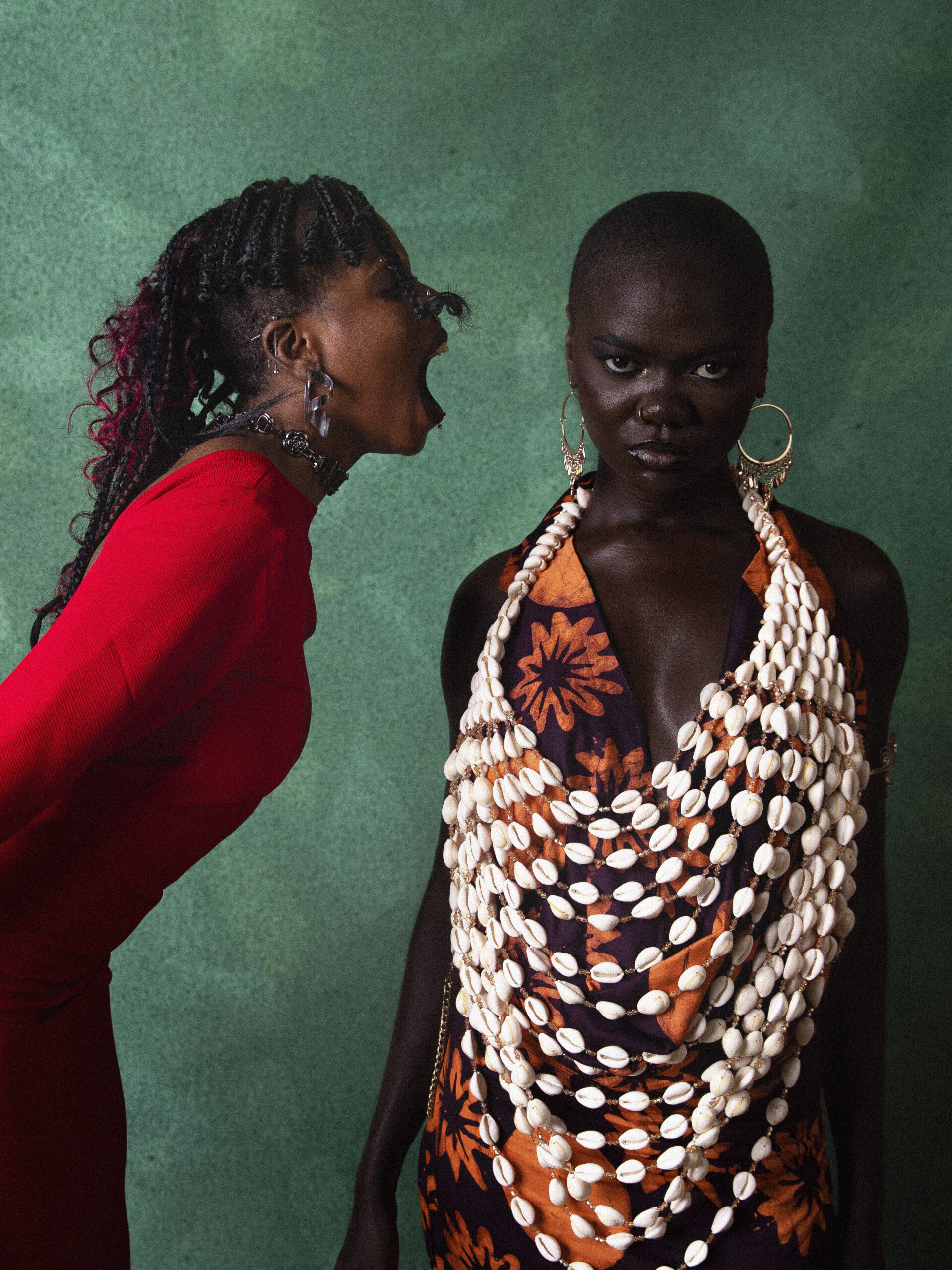
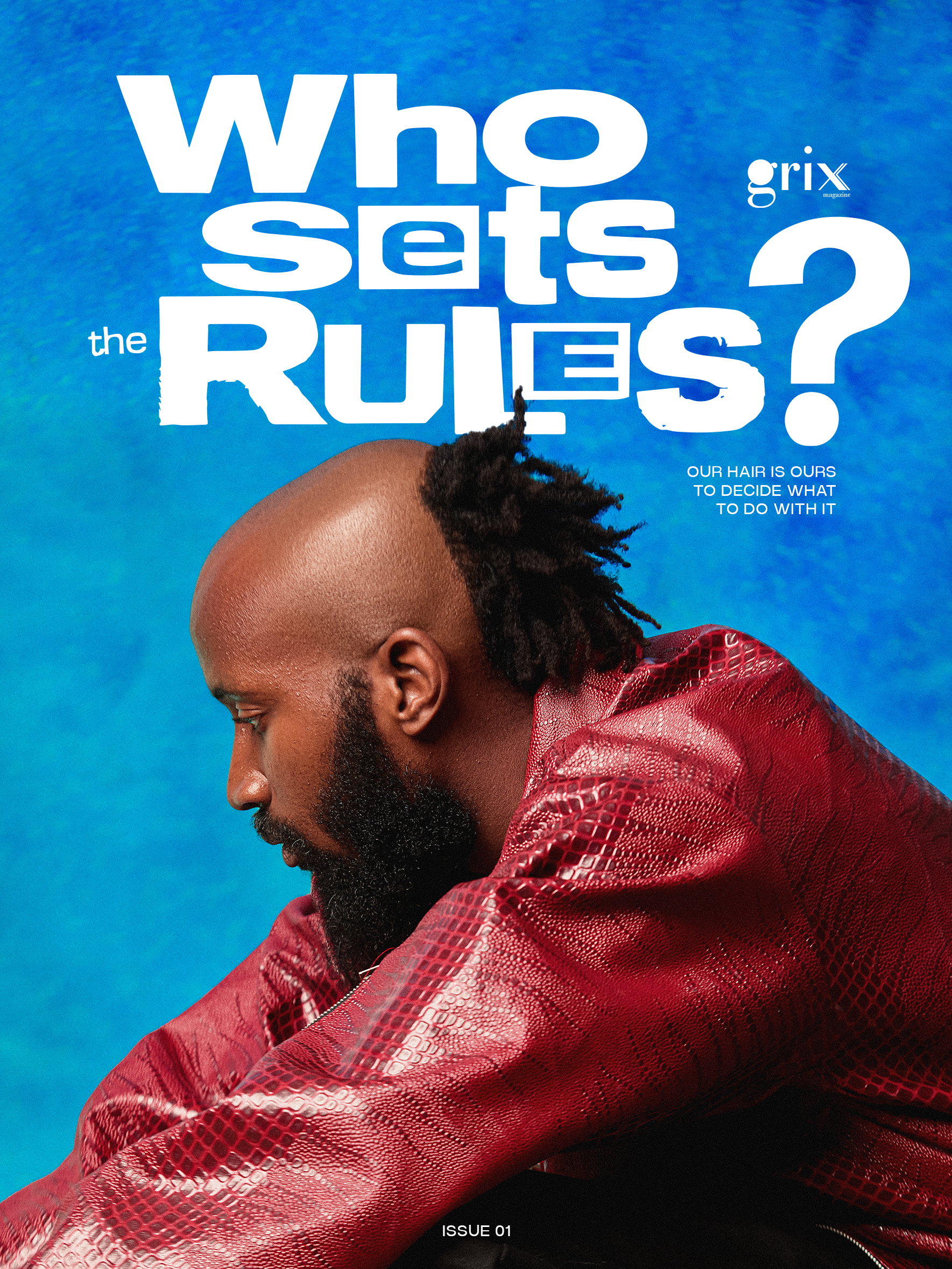
It was a sunny afternoon, and we were already more than an hour behind schedule for our shoot. Some of the crew had arrived, and only a few creatives were on set. As the rest of them trickled in for this editorial, I had a lot of thoughts, and one question kept coming back to me, out of pure curiosity: what on earth is going on with these hairstyles?
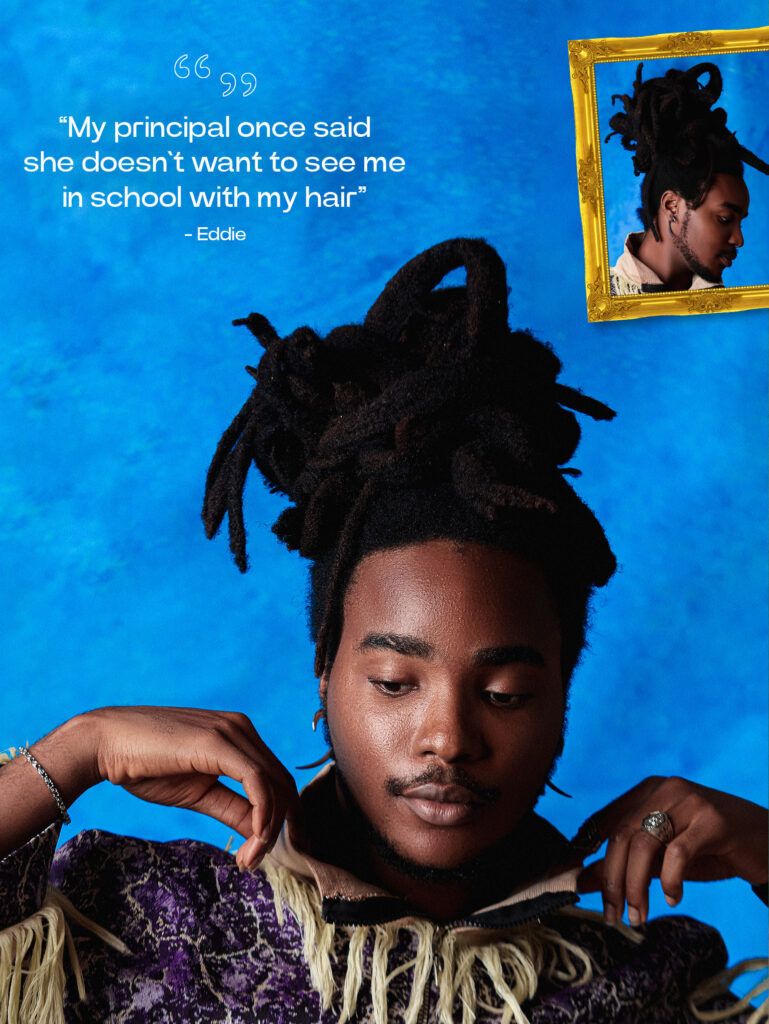
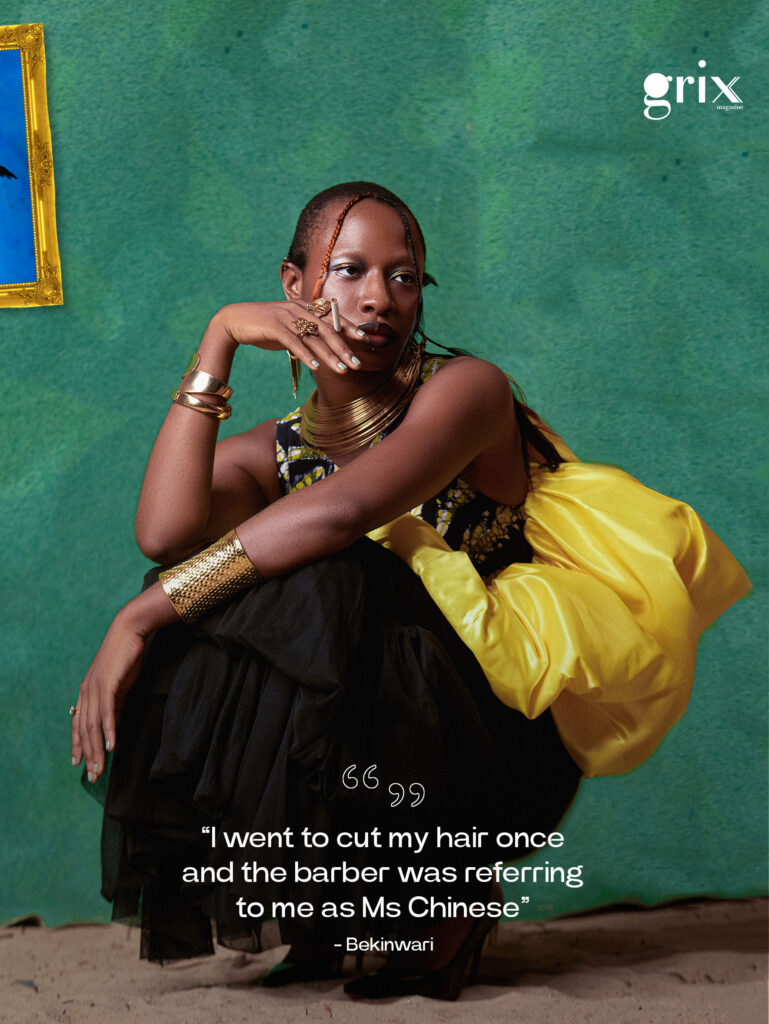
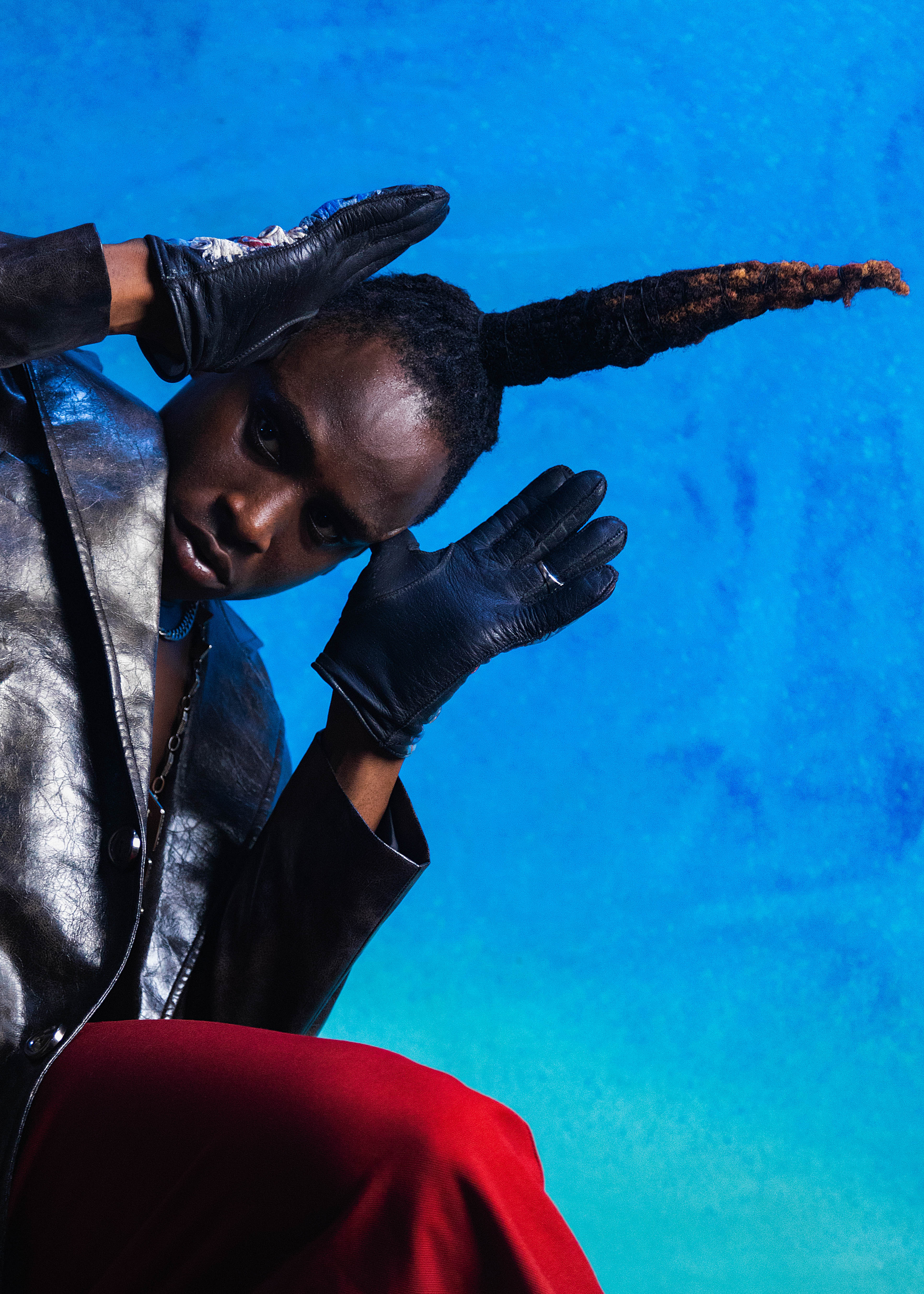
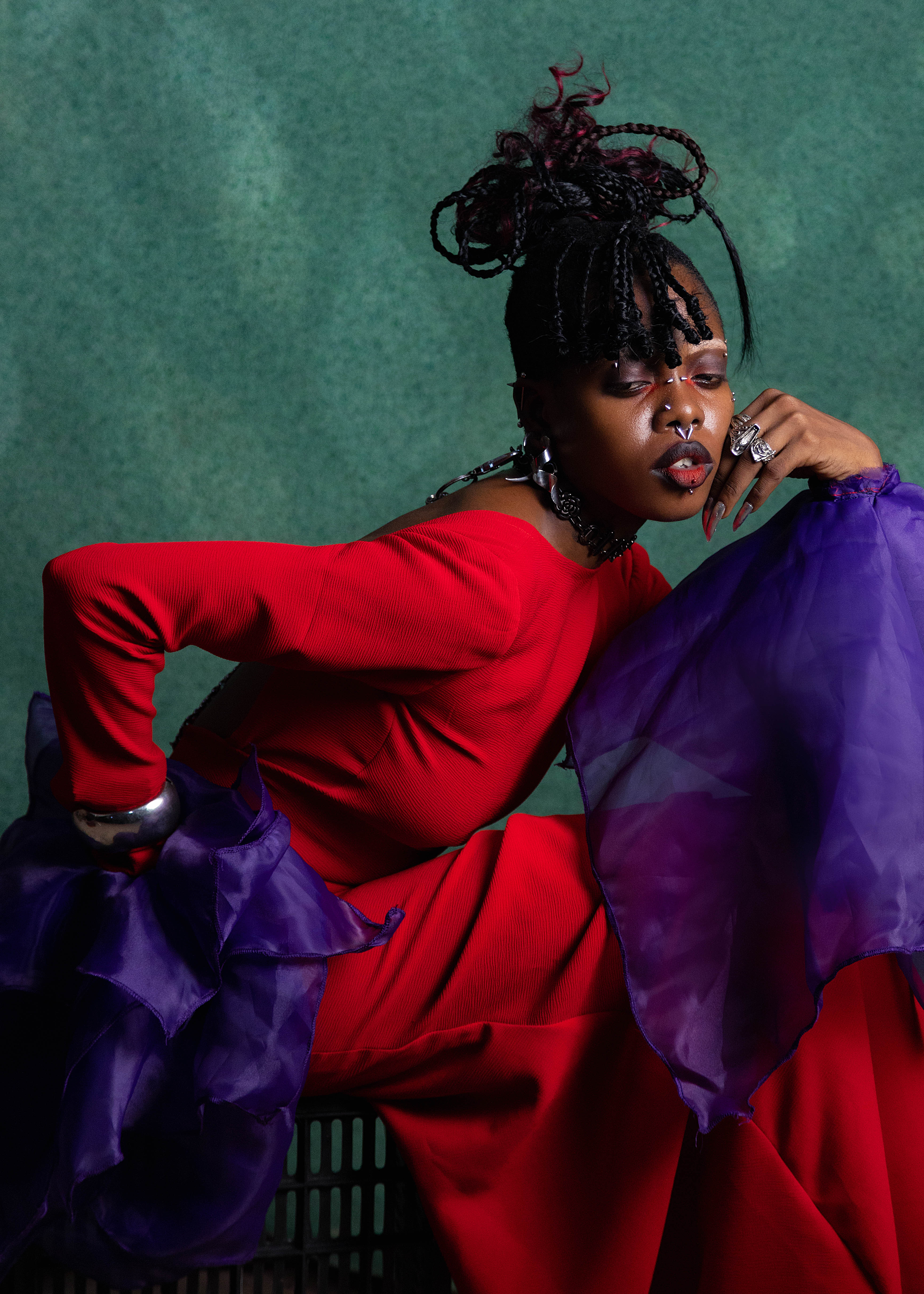
One had his locs arranged into an almost sculptural shape. Another had shaved her sides, her braids gathered into elaborate loops. These were not the hairstyles I was used to seeing, and I wanted to understand what I was looking at.
We considered the title of the editorial: Black Is the Color of My True Love’s Hair.
There is something tender about that title. It sounds like a love letter to Black hair: an invitation to appreciate it in all its beauty and complexity, its textures, its history and versatility. If Black hair is something to be loved, what happens when it looks nothing like what we have learnt to love?
We often speak about Black hair with admiration, celebrating its textures, its history and the many ways it can be styled. But I wonder if our appreciation is sometimes conditional.
We admire the elaborate braids, the neatly arranged cornrows, the flowing locs and the carefully defined curls. But what happens when Black hair takes a form that is less familiar to us? When it is sculptural, exaggerated, asymmetrical, or simply difficult to understand?
Perhaps we are more comfortable celebrating Black hair when it fits within our existing ideas of beauty. We want it to be expressive, but not too unconventional; different, but still aesthetically familiar. And there is a contradiction in that. How do we celebrate the freedom and versatility of Black hair while maintaining our own expectations of what it should look like?
More Than Hair
Hair is rarely just hair. Across different African societies, hairstyles have historically served as a form of communication, carrying meanings that extend beyond personal appearance. They have expressed identity, age, marital status, social position, spirituality, and cultural belonging. The meanings differ from one community to another, but what is particularly interesting is how much thought, creativity and cultural significance have gone into the ways African people have traditionally worn their hair.
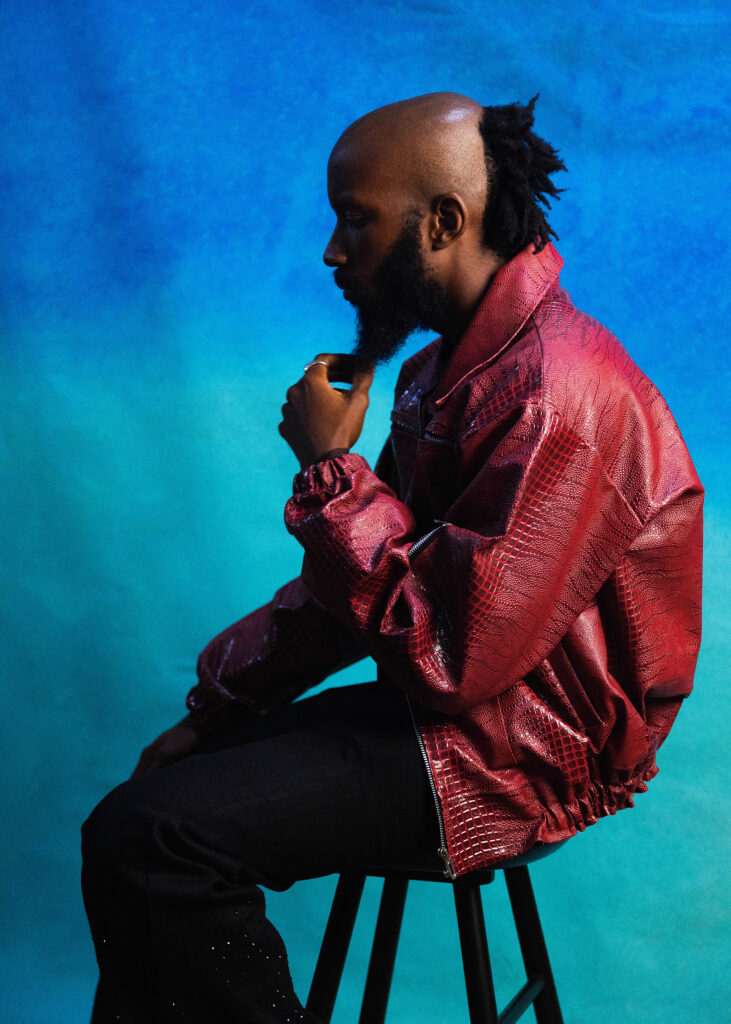
Among the Himba people of Namibia, for instance, hairstyles have traditionally helped distinguish different stages of life and marital status. Young girls wear their hair differently from women who have reached puberty, while changes in a woman’s hairstyle can reflect marriage and motherhood. Hair is not simply a matter of personal preference; it can communicate something about where a person is in the social life of their community.
Further north, among the Mangbetu people of the Democratic Republic of Congo, elaborate hairstyles became an important expression of beauty and social status. Women of the ruling class were particularly associated with sculptural, fan-shaped coiffures, constructed using hair and supporting materials such as reeds. These elaborate styles complemented the elongated head shape that was considered an ideal of beauty among the Mangbetu elite. The hairstyles were so culturally distinctive that they were also represented in Mangbetu sculptures, pottery and musical instruments.
These examples offer a glimpse into the different ways African communities have understood and engaged with hair. It was not simply something to be maintained or styled according to changing fashion. It could be an expression of identity, an indication of social belonging and, in some instances, an art form in its own right.
However, this relationship with hair was profoundly affected by slavery and colonialism.
During the transatlantic slave trade, enslaved Africans were sometimes forcibly shaved, a practice that could strip them of familiar markers of identity and cultural expression. The control exercised over their appearance formed part of the wider process of dehumanisation and the disruption of existing cultural identities.
The influence of Eurocentric beauty standards helped establish ideas about which textures, styles and appearances were considered acceptable. Black hair has often been treated as something to tame, correct or make more presentable.
These attitudes, however, have not disappeared simply because we live in a different time. They have simply evolved. Today, they find expression in the pressure to straighten natural hair, the popularity of chemical relaxers and the assumption that certain hairstyles are unsuitable for professional or formal settings.
It is worth considering how much of what we now call presentable has been inherited from these ideas. The language may have changed, but the discomfort with certain Black hairstyles remains.
Should Expression Have a Price?
Sometimes, it appears in obvious ways: a school prohibiting a particular hairstyle or an employer insisting that an employee change their hair. Other times, it appears in the smaller judgments we make without thinking. We see a hairstyle that differs from what we know, and before we have considered anything else about the person wearing it, we have already decided that something is wrong.
I might admire someone’s braids and have no desire to wear them myself. I might see a hairstyle that I would never choose, and that should be perfectly fine. But there is a difference between deciding that something isn’t for you and deciding that it shouldn’t be acceptable for someone else.
This is where the conversation becomes complicated. It is easy to say that people should be free to wear their hair however they please. In principle, I agree. In practice, however, personal expression does not happen in a vacuum. We live in a society with expectations, institutions, and rules, and those things influence the choices available to us.
Think about a young person going for their first job interview. They may have a hairstyle they love, but they might also worry that it will affect how a prospective employer sees them. I have had that thought myself. Before an interview, I have considered whether to wear a wig instead of my cornrows. Not because I suddenly disliked my hair, but because I wondered how it would be received.
This kind of self-censorship is particularly interesting because it doesn’t always require someone else to impose it. Sometimes, we anticipate the judgment before it happens and adjust ourselves accordingly. Eventually, these adjustments can become so familiar that we stop questioning why we make them in the first place.
And the consequences are not the same for everyone. A young person looking for their first job may feel they have more to lose by challenging expectations than someone who is already wealthy, established and successful.
Mr Eazi’s comments on Culture Daily come to mind. He spoke about being able to have silver hair and a puff-puff hairstyle and still be on TikTok, walk into a boardroom and conduct business.
He also spoke about a mentor who had wanted to advise him about his appearance. Eazi recognised that he occupied a position where his hair was unlikely to prevent people from taking him seriously or doing business with him. He said he was grateful for that and did not take it for granted. Mr Eazi Opens Up About His Collaboration With Moliy!
I found that interesting because it points to something we don’t always consider when we talk about self-expression. Not everyone has the same freedom to make the same choices. A successful person may be able to wear a hairstyle that someone just starting their career would hesitate to wear. The hairstyle hasn’t changed; the circumstances of the people wearing it have. The freedom to express yourself is one thing. Having enough security to withstand other people’s reactions is another.
Not for Me, or Not Okay?
Of course, this does not mean that every appearance requirement is unreasonable or that institutions should have no standards at all.
Professionalism exists for a reason. Institutions have an image to maintain, and how employees present themselves can contribute to the perception of the organisation. A bank, for example, has a legitimate interest in maintaining customer trust, protecting its reputation and establishing standards for how its employees dress and present themselves.
An employee might be perfectly capable of performing their duties in jeans and a T-shirt, but that does not necessarily mean the clothing aligns with the bank’s dress code. Personal expression and workplace expectations do not always have to coincide, and I think it is reasonable for institutions to establish boundaries around how employees present themselves.
However, I think we should also examine the standards we establish and the assumptions behind them.
When we describe certain hairstyles as untidy or unprofessional, what exactly are we responding to? Is it the actual appearance of the hair, or is it that we have become accustomed to associating professionalism with a particular aesthetic?
There is a difference between maintaining a standard of neatness and insisting that everyone must conform to the same idea of what a professional appearance looks like.
A hairstyle that interferes with protective equipment, workplace hygiene or safety presents a different concern from one that simply looks unfamiliar. Similarly, an employer can reasonably expect employees to maintain a neat appearance without necessarily prescribing which hairstyles are acceptable.
Customer expectations matter, but they should not be the only measure of what is appropriate.
Customers can have prejudices too, and businesses should be careful not to turn those prejudices into workplace standards without examining them.
I don’t think the answer is to do away with professional standards. Rather, it is to consider whether the standards we maintain are serving a genuine purpose or simply preserving an image that we have never thought to question.
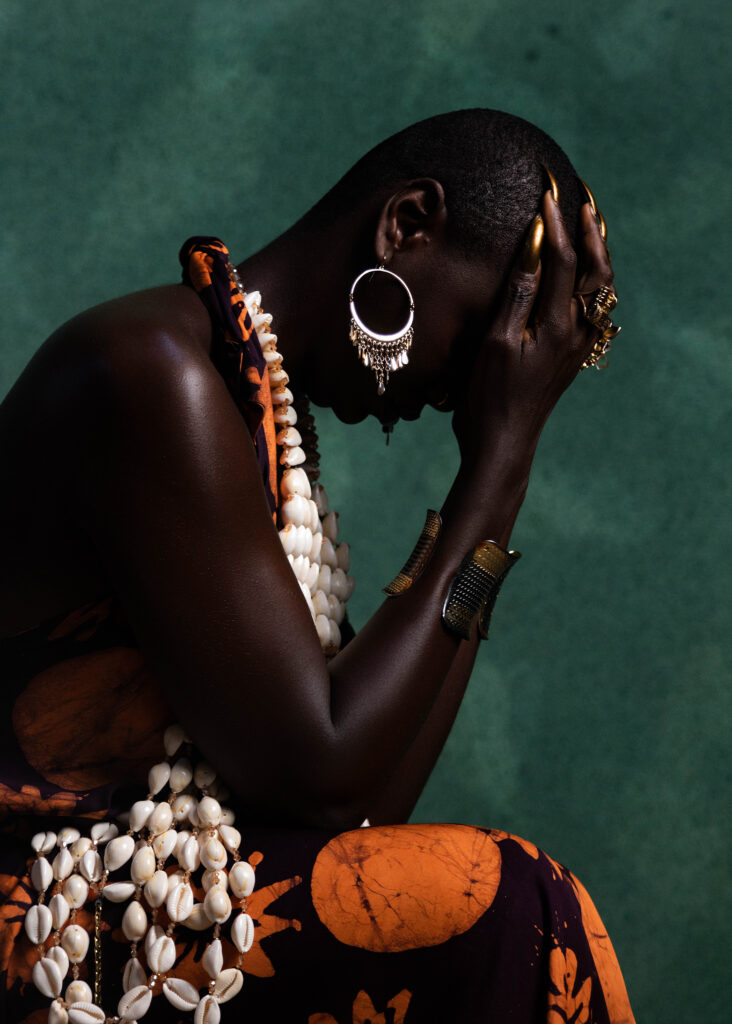
Perhaps this is what makes the editorial’s photographs interesting. They present Black hair in forms that may not immediately appeal to everyone. They do not necessarily ask us to copy these hairstyles, and they do not require us to pretend that we find every look beautiful. Instead, they give us an opportunity to notice our own reactions.
I can look at a hairstyle and decide that it is not for me. That is a preference.
But why is it not for me? Is it because it doesn’t align with everything I have loved, or thought was for me, for as long as I can remember? Then who taught me that? Whose standards am I judging with? Are they mine, or from cultures that honour and protect Black hair, or someone else’s entirely? And if I move from “not for me” to deciding that the person wearing it is unserious, incapable, or unsuitable for a job, I have made a much bigger judgment. The hairstyle has become evidence for a conclusion it may have no business supporting.
And perhaps that is where the title comes back in. Black Is the Color of My True Love’s Hair sounds like a declaration of love, but love is easy to profess when the thing being celebrated fits our idea of what is beautiful. The more interesting question is what happens when it does not. Perhaps it means allowing room for Black hair to be unfamiliar, unconventional, and different without treating that difference as a flaw.
We all have preferences, and we all live within societies that establish expectations about how we should look and behave. Some of those expectations serve a purpose. Others survive because we have never thought to question them.
The challenge is knowing the difference.
So, the next time I see a hairstyle that makes me wonder what on earth someone was thinking, I may still have my opinion. But I can also ask myself a better question: am I simply looking at something I would never choose for myself, or have I decided that it is wrong because it does not look the way I think it should?
And if I cannot tell the difference, what exactly am I asking someone else to change?