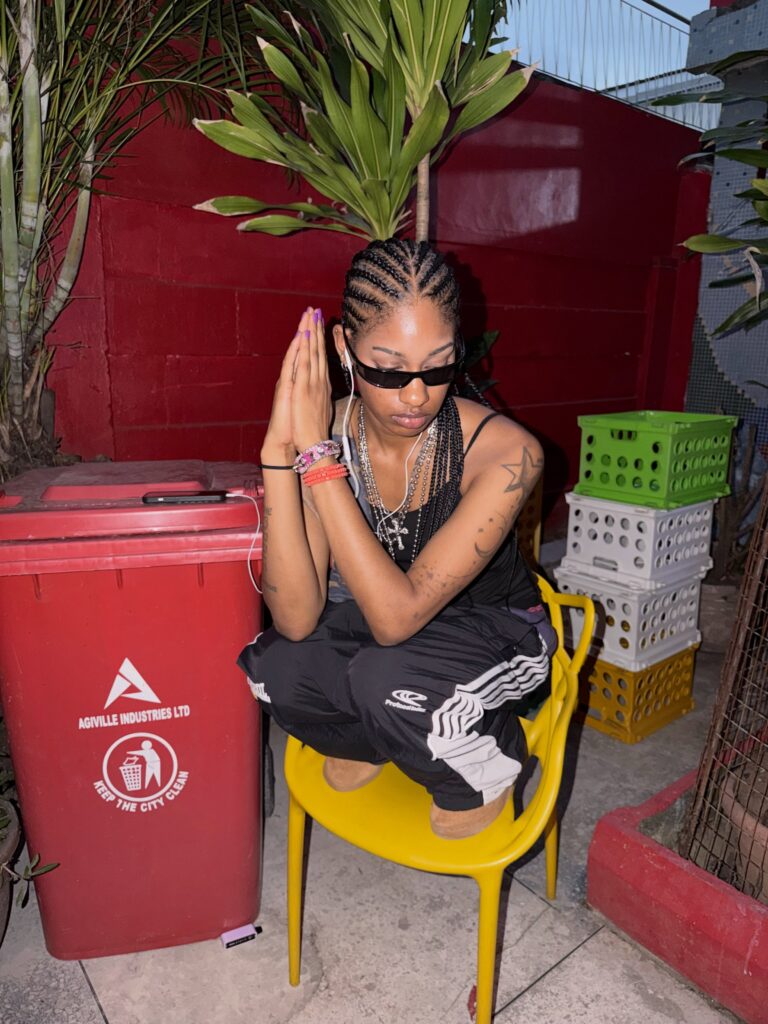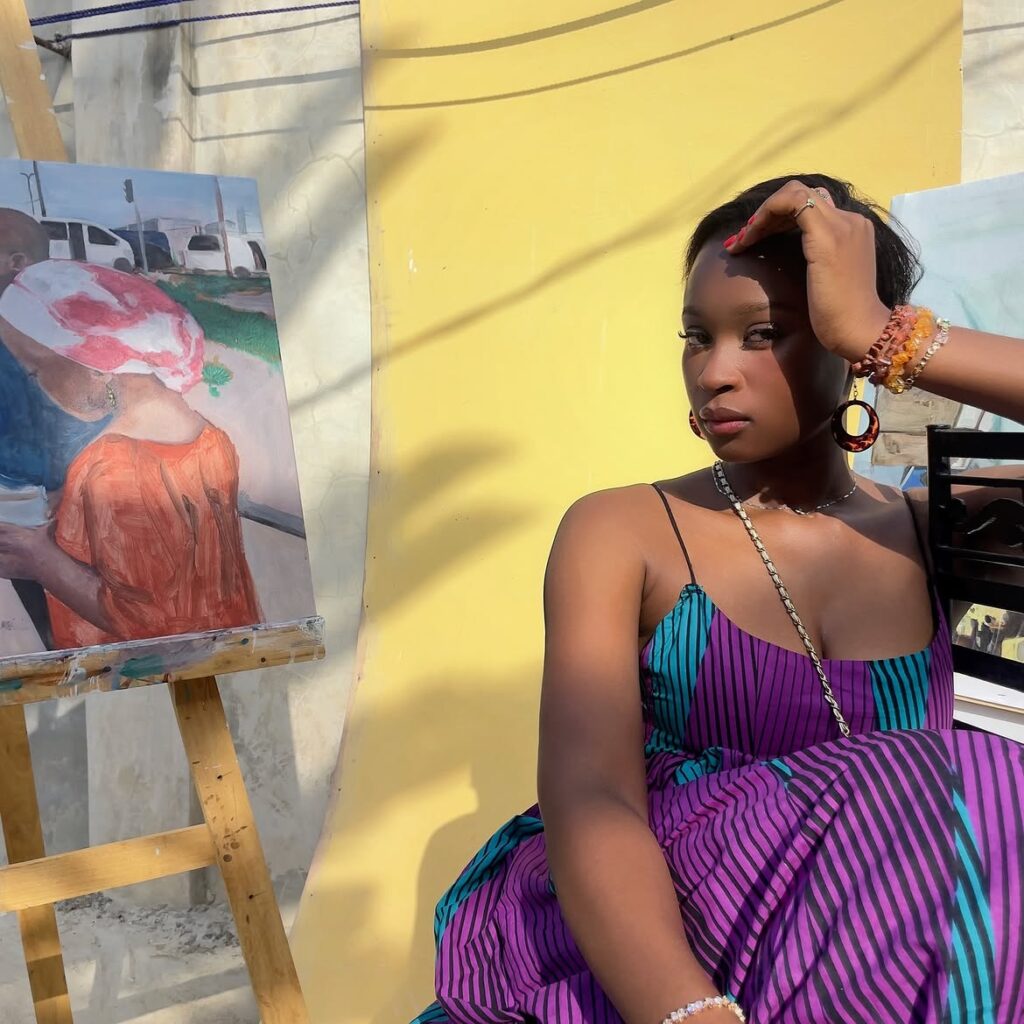
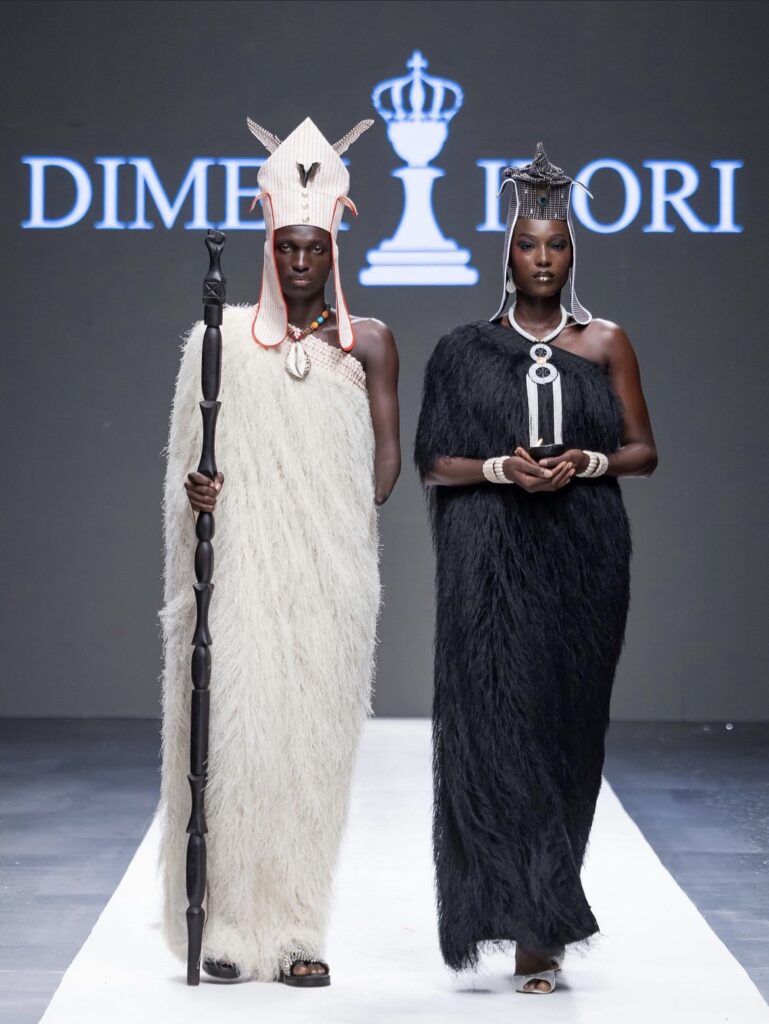
Walk around Lagos and you will see how differently people put an outfit together. Baggy jeans and a graphic tee, a polo shirt, capri pants. An Adire-inspired look or a simple outfit finished with a fila that changes everything. There is no single way to dress in Lagos and that is part of what makes its fashion scene interesting. The city has its own mix of streetwear, contemporary Nigerian design, traditional references and personal style. You see it in the clothes people seek out, the designers creating them and the ways people put different pieces together.
Paris, Milan and New York are popular fashion capitals that have their signature designers and aesthetics, but Lagos is developing an identity of its own. Local designers are creating pieces people want to wear, Lagosians are finding new ways to style them, and international audiences are paying closer attention. The shift is happening both on the runway and in the clothes people keep seeing on their timelines.
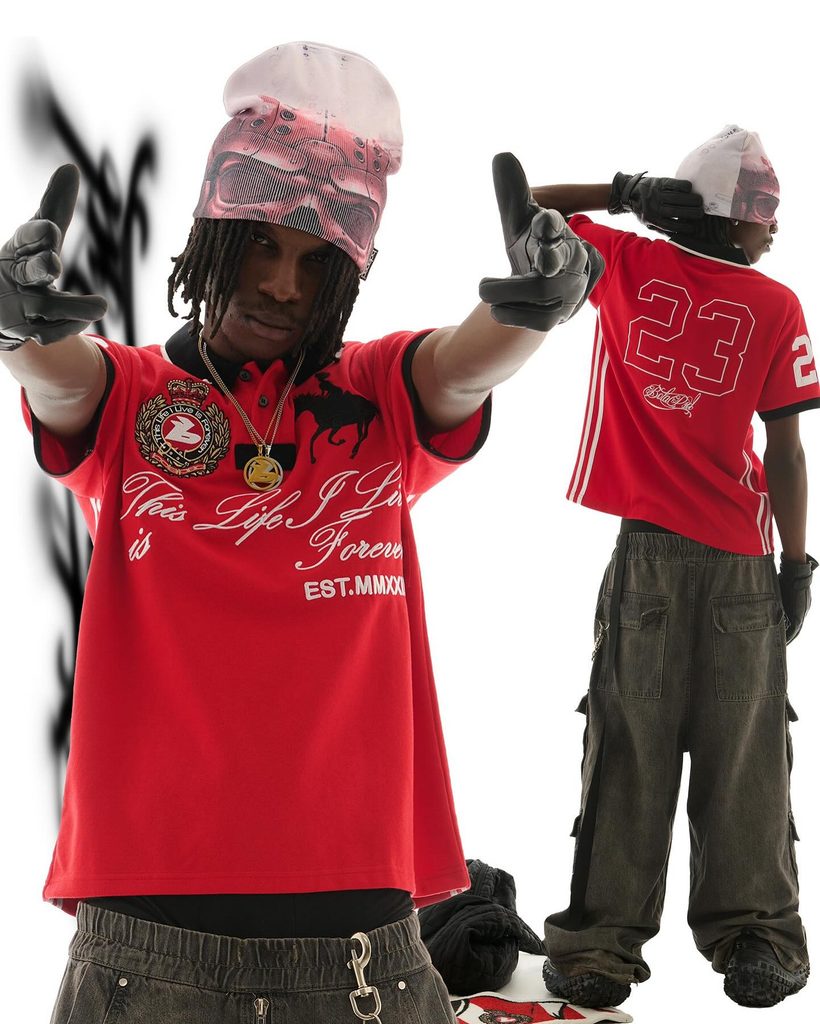
If you want to understand the younger generations in Lagos, streetwear is a good place to start. Streetwear draws inspiration from different places, including Y2K fashion, music and pop culture. Polos, oversized tees and baggy jeans may be part of global streetwear, but in Lagos, how people style them is just different. For example, BolaPSD, Nine, Rae Urban and Popwave are brands that resonate with streetwear lovers and the underground scene.
Then there is thrift culture, also known as “bend down select”, which has become part of how young Nigerians build their wardrobes. For streetwear lovers, secondhand shops can be a source of vintage polos, oversized graphic tees, cargo pants and jorts, often at more affordable prices. These pieces can be mixed to create different looks without spending too much on an outfit. This mix of influences is what makes Lagos streetwear interesting. The inspiration may be drawn from trends or social media, but how people find, mix and wear them is where their personality comes through. Streetwear here is not one fixed uniform; it is a constant exchange between outside influences and personal style.
The Girlies Are Obviously part of the Conversation Too
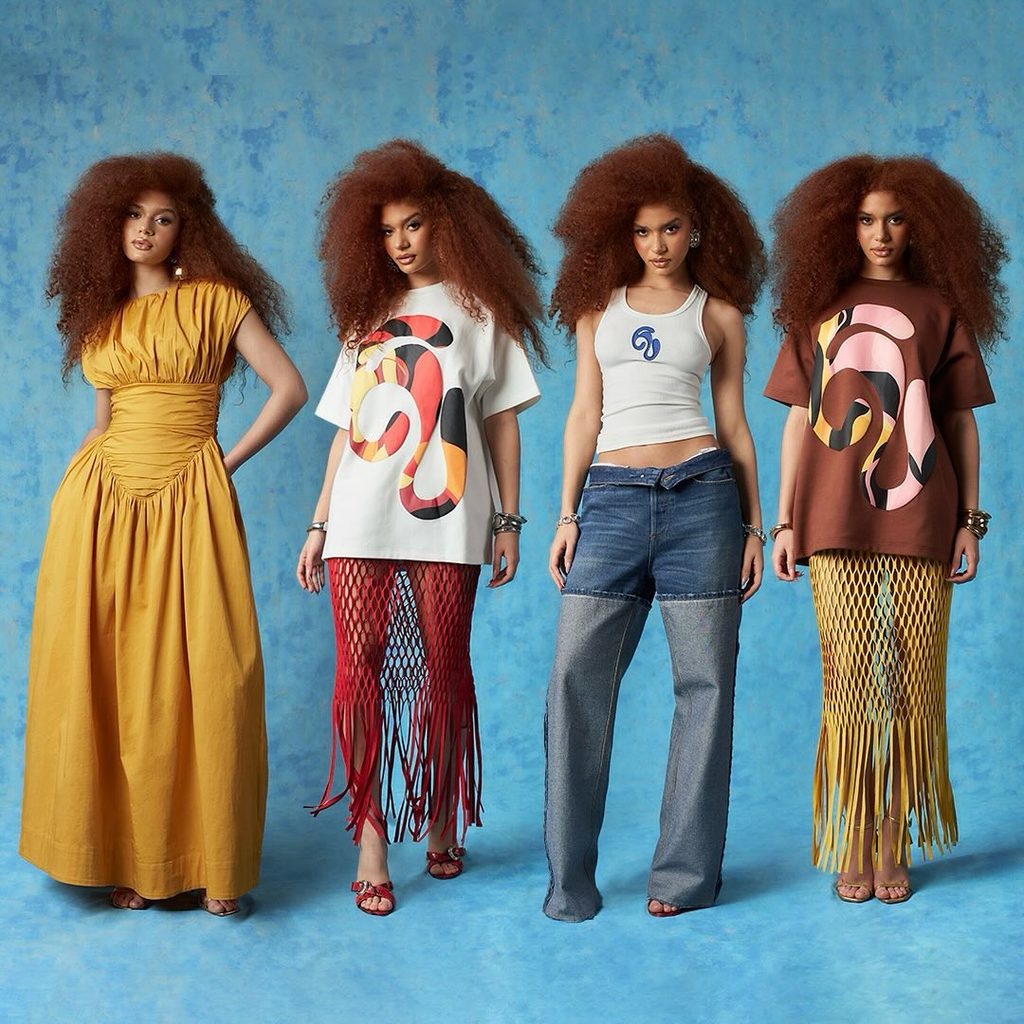
One of the clearest signs of Lagos fashion’s growing appeal is the way certain pieces move from a brand’s creative moodboard into everyday style conversations.
This approach to modern womenswear is also visible in brands such as KAI Collective. Their Nao tank top is a good example. It has become a recognisable piece among women styling it in Lagos, the UK and beyond. At this point, you can go to almost any part of the world and spot a woman in a NAO tank top. Rendoll and Wanni Fuga, although they approach it differently. Rendoll works with bold custom prints, confident colours and sculptural silhouettes, while Wanni Fuga is known for its clean tailoring, fluid silhouettes and versatile pieces. Its Èkó Èlan collection, for instance, takes inspiration directly from the energy and style of Lagos. Emerging labels such as Fifi Allen, through its bags and jewellery, and Vonshe are also adding to this mix.
Another side of Nigerian womenswear draws from pop culture, nostalgia and everyday references. Meji Meji, for example, turns familiar references like Danfo buses and Tom Tom sweets into fashion pieces. Other designers draw from childhood memories, music, Nollywood and Y2K style.
We also have other young pop female brands like Wandé Esan, which explores indigenous influences and statement dressing, while Mash Archive takes a playful, expressive approach to contemporary womenswear. Severe Nature extends this conversation with Femme Nature. The brand champions women in streetwear through community events, workshops and industry discussions, creating more room for women in a space where they have not always had the same visibility.
Even Traditional Wear Is Being Reimagined
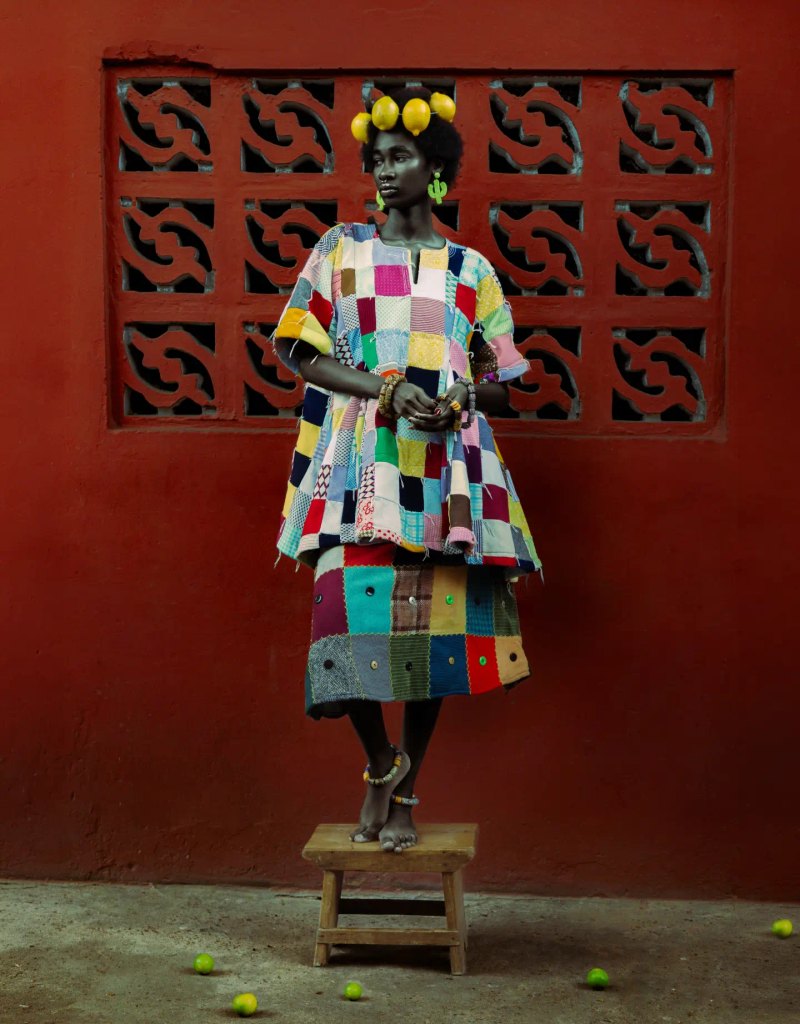
Adire, tie-dye, Aso-Oke and lace are finding new forms in contemporary Nigerian fashion. Fabrics traditionally associated with occasions like weddings and owambe ceremonies in Nigerian culture are no longer put in one box.
Take Aso-Oke, for example: at Lagos Fashion Week 2025, Éso by Liman presented a striped, tiered mini-dress, while FIA showed a two-piece set made from the traditionally woven fabric. Designers have also explored its potential through cropped tops, bomber jackets and structured streetwear, using modern cuts to work with the fabric’s distinctive texture. Tie-dye and Adire are getting similar treatment. There is use of traditional Yoruba tie-dye techniques in contemporary designs, while other brands work with hand-dyed Adire and Aso-Oke to create slip dresses, flowing Bou Bou’s, bubble skirts and cropped jackets; all these designs make them feel at home in a modern wardrobe.
Some labels are taking this further by exploring the different textiles and weaving traditions found across Nigeria. Kílẹ̀ńtàr, for instance, works with handwoven fabrics and traditional craft techniques. Its Súrùlérè collection featured an Akwete corset dress with lace and raffia detailing. Hertunba also brings different weaving traditions together. Its Coat of Many Colours combines Aso-Oke, Akwete, Ibetayo and Itivie fabrics in one piece, highlighting the variety of Nigeria’s textile heritage.
Then there’s Éki Kéré, which brings raffia into contemporary fashion. The label uses locally sourced raffia woven by artisans in Ikot Ekpene, drawing on traditional techniques to create pieces such as its Raffia Vest. Ethnik Africa takes Aso-Oke beyond clothing, incorporating the material into footwear and accessories.
These different approaches are so interesting because they show that the fashion world here is not a single aesthetic. Designers can work with the same textile and produce very different results. That freedom to reinterpret familiar materials is part of what gives Lagos fashion its range.
From Lagos to the International Fashion Conversation
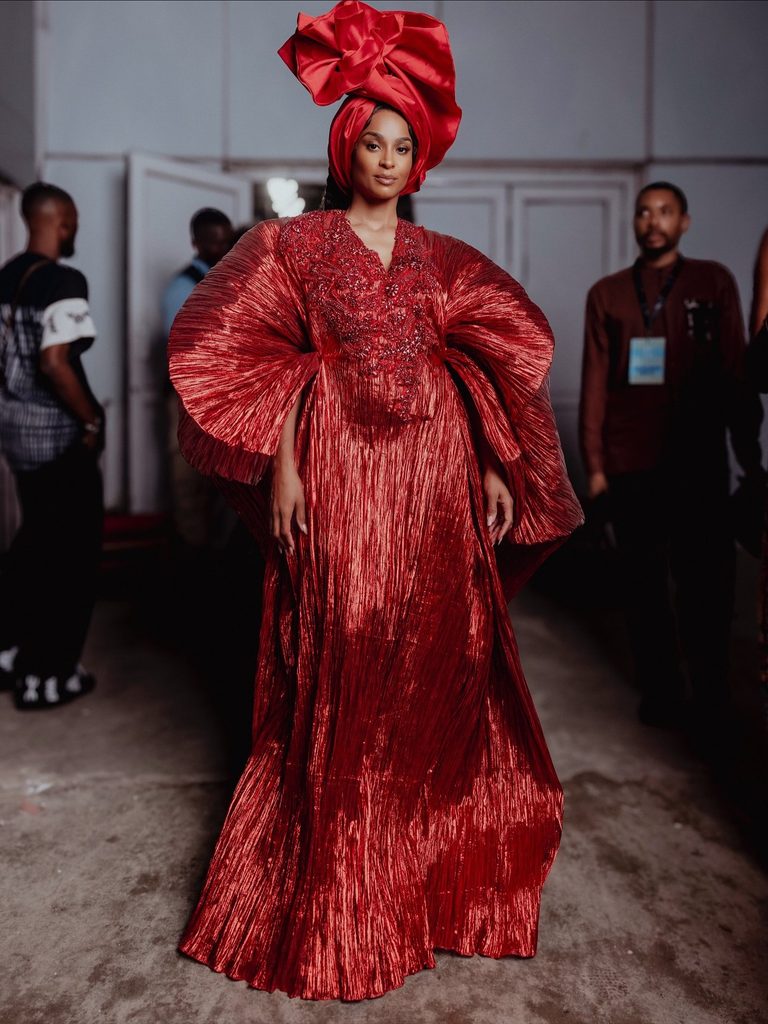
The growing attention around Lagos fashion is not limited to social media or local shopping circles. Designers and stylists are increasingly appearing in international fashion coverage, dressing well-known personalities and reaching customers beyond Lagos and Nigeria at large.
Hertunba is one example; the label has become a name to watch for its craft-led pieces and distinctive silhouettes. Its Ure woven skirt, from the Akaọ̀rù̄ Handwork Collection, attracted attention from media personalities like Jackie Aina, Golloria, Toke Makinwa and Temi Ojora. British Vogue has also highlighted the brand’s growing following, noting that its pieces have been worn by figures including Nara Smith and Tiwa Savage.
The important part is how these pieces travel. A skirt designed by a Nigerian label can appear on a local celebrity’s page, catch the attention of an international creator and reach someone who may never have visited Lagos. KÍLÉNTÀR offers another perspective. The brand works with traditional craft techniques and textiles, translating them into contemporary silhouettes. Its Spring/Summer 2026 collection, Súrùlérè, featured hand-beaded garments and handwoven textiles, including an Akwete corset dress. Vogue covered the collection, placing the brand within a wider conversation about Nigerian designers and contemporary African fashion.Even at Lagos Fashion Week 2026, Emmy Kasbit and ALÁRA presented Akwete Reimagined, while Hertunba paired a woven black-and-white fabric with a sculpted bustier and sheer cape. Kílẹ̀ńtàr also brought handwoven Akwete, beadwork and raffia into its latest collection. Traditional textiles are being reimagined and we love to see it
These are not isolated examples of designers making clothes for an audience outside Nigeria. They point to a shift in how our fashion is being discovered: people are encountering the pieces, studying the brands behind them and finding reasons to seek them out. International visibility does not automatically make a fashion capital; the catch is what people are responding to: the designers, the ideas and the distinct sense of style coming out of the city.
The Fashion Scene Is Becoming an Ecosystem
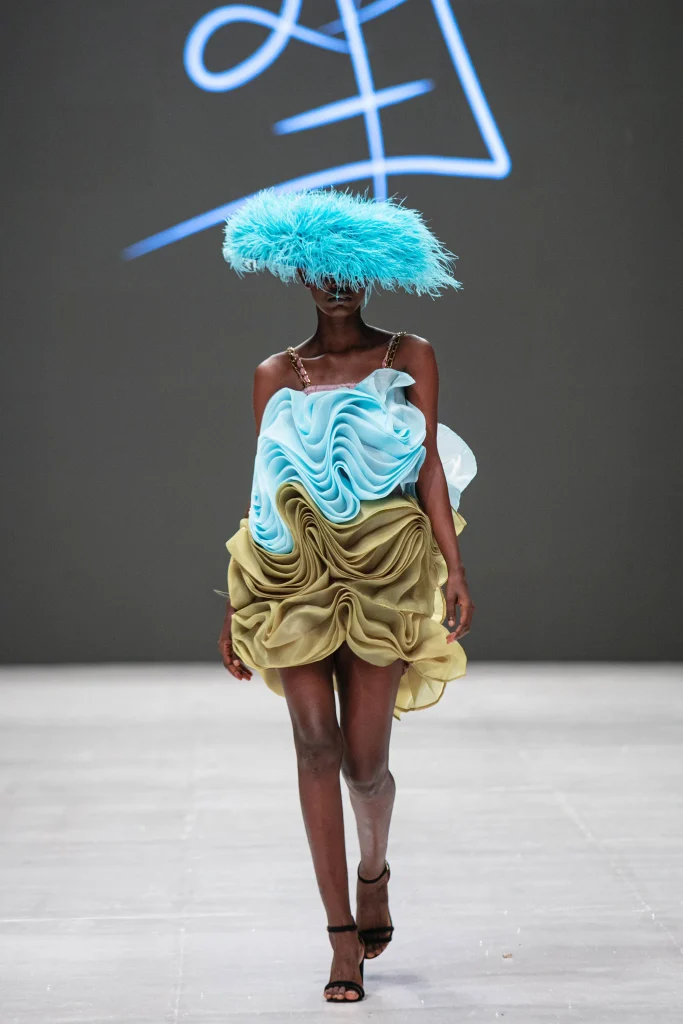
A fashion capital needs more than good clothes and brilliant designers. It needs platforms that bring fashion lovers, designers and stylists together, help people discover brands and create a system that supports those connections. That growing attention was especially visible at Lagos Fashion Week in October 2025, when American singer Ciara came to Lagos for its 15th anniversary.
Ciara did more than attend as a guest. She appeared on the runway for Fruché, closing the show in a red gown, and was also photographed wearing a look by Onalaja. She spoke about wanting to help showcase African fashion designs and the beauty of Lagos to a global audience. Her presence mattered because it put Nigerian designers in front of an audience that might not ordinarily know about Lagos Fashion Week. The same edition featured more than 60 designers on the schedule and drew around 15,000 guests, reflecting the scale the event has reached. Major fashion platforms help brands gain visibility, but so does the wider fashion ecosystem that makes these moments possible.
Lagos has several parts of this ecosystem taking shape. Lagos Fashion Week brings designers and industry professionals together, while Street Souk connects streetwear with music and youth culture. Its 2025 partnership with Lagos Fashion Week also brought streetwear labels onto the runway. GTCO Fashion Weekend plays a different role, helping bridge the gap between emerging retail brands and high fashion.
The Nigerian Student Fashion & Design Week (NSFDW) is also helping build the ecosystem by giving student and recent graduate designers a platform to showcase their work. Through runway opportunities, funding and industry training, it helps emerging talent move from the classroom into the business of fashion, with some winners going on to showcase internationally. It is a reminder that a fashion capital needs more than established names; it needs platforms that make room for the next generation.
Retail spaces such as Temple Muse, Alara, Polo Avenue and Ashluxury also give shoppers a place to discover and buy fashion from Nigerian and international designers. Alongside fashion weeks, pop-ups and digital platforms, they connect the people creating fashion with the people buying and wearing it. Together, these spaces contribute to a more connected fashion industry in Lagos.
And the list keeps growing. Beyond the platforms already mentioned, more events are creating room for designers to showcase their work, meet potential buyers and connect with other players in the industry.
Entertainment Week Africa is bringing fashion into its wider creative programme through a dedicated Fashion and Beauty track, including The Runway Coterie. The event creates opportunities for designers to engage with retailers and other industry professionals, while connecting fashion to conversations happening across music, film and the wider creative economy.
Africa Fashion Design Week Nigeria is another platform contributing to this growth. Through its runway showcases, exhibitions and industry discussions, it gives emerging and established designers a space to present their collections and connect with a wider fashion audience. There are also newer events on the rise, such as Primeries Marketplace, a curated platform and retail experience that highlights African creatives, independent designers and streetwear culture.
Fashion Creators, personalities & stylists are also part of this ecosystem too
Fashion creators and personalities are also part of this ecosystem. Popoola, Marvela, Therealchi and Fumi Ford are among those sharing their takes on fashion through personal style and content. Others, including Dodos Uvieghara, Beauty Tukura, Denola Grey, Dr Akin Faminu, Dr Kiky Faminu and Angel Obasi, have also become familiar faces at fashion events and in conversations around Nigerian style. Their content gives audiences another way to discover designers, follow trends and see how people are wearing the clothes beyond the runway.
Stylists play a different role. They work behind the scenes to put looks together for campaigns, editorials, music videos and public appearances. People such as Moses Ebite, Blacksun, Uduak, The Style Infidel, Pat Ada Eze, Stylesenami and stylists on the rise like marcusTHEmaker work across different parts of this space.
Some, like Eniafe Momodu, also move between styling, photography, creative art direction, writing and cultural archivism. This overlap matters because fashion images involve more than the clothes themselves; the concept, setting, casting and styling all influence how a collection or designer is presented. Others work more directly with artists and public figures, helping shape the looks they become associated with. Others are extending their work into different areas of the industry; Ugo Mozie, for example, has built a career across fashion, image direction and filmmaking, working with international celebrities. His brand Eleven Sixteen uses traditional Nigerian textiles, including Aso-Oke, Adire and handwoven fabrics, reinterpreting them through contemporary silhouettes. This brings another dimension to the conversation around Lagos fashion: the opportunity to build brands with international reach while investing in local materials, skills and production.
All these contributions add to the growth of Lagos fashion. Designers create the clothes, stylists shape how they are presented, and creators bring them into online and everyday conversations. Fashion platforms and events provide spaces for these ideas to be showcased, discovered and sold. From runway presentations and industry networking to retail opportunities for independent labels, each part has a role to play in connecting the creative and commercial sides of the industry.
So, Is Lagos Becoming a Fashion Capital?
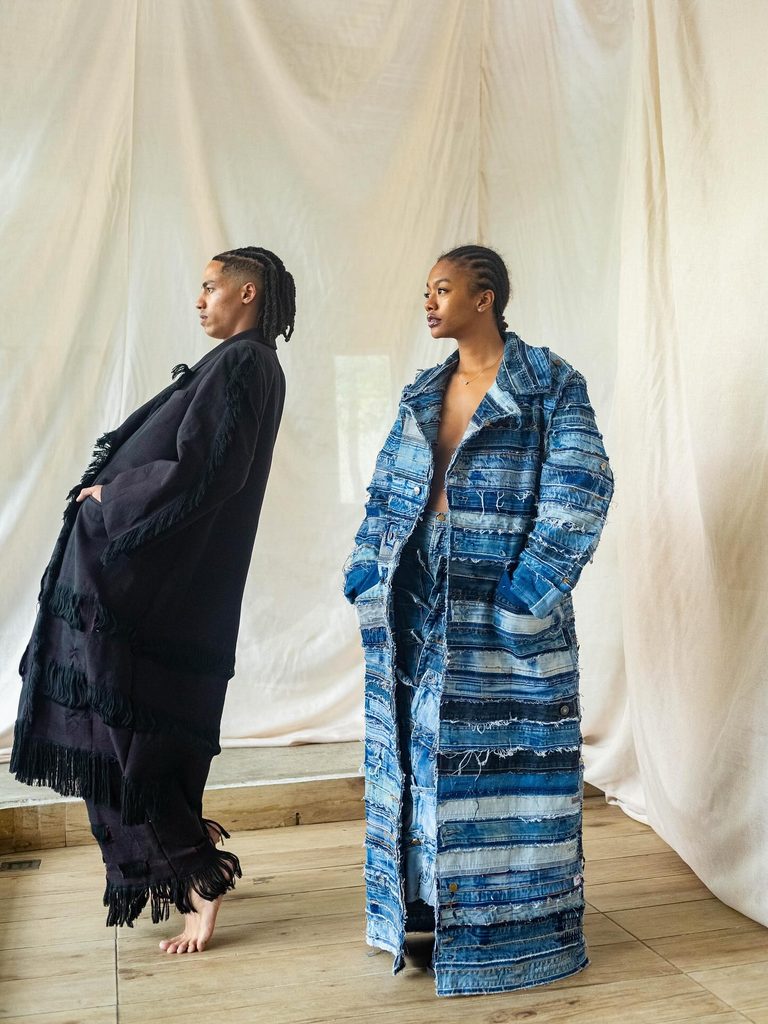
We would say yes. Lagos fashion is growing because its designers are making pieces that truly fit their audience’s style. The fashion culture gives those pieces new life, and fashion platforms help them reach wider audiences.
Paris, Milan and New York have built reputations through decades of designers, institutions, retail and cultural influence. Lagos is building its own position through a different mix of local references, bold personal styling, craft and a generation of designers finding their audiences. The city is not simply waiting to be noticed; its clothes are already travelling, its designers are entering wider conversations, and more people are paying attention to what comes next and that is what makes Lagos worth watching as a fashion capital.