The Art of Betting on Yourself: Through Asake, Victor Osimhen, Fisayo Longe, Chimamanda Adichie and others On Taking Chances



If you think about it, how many good things in your life began because you applied for something, posted your work, started a project or simply took a chance on yourself?
It could have been the job you almost didn’t apply for, the idea you were nervous to share, or the project you started without knowing exactly where it would lead. Sometimes, the biggest changes in our lives begin with something that looks almost insignificant at the time: deciding to try and that is the thing about betting on yourself. You rarely have a guarantee that it will work. You just have to believe there is enough possibility on the other side of trying. Some of Nigeria’s most recognisable creatives and talents have had moments where betting on themselves changed the direction of their careers.
Sometimes being called “too different” means the world hasn’t caught up yet

When Tems first began making music, her sound didn’t necessarily fit neatly into what Nigerian mainstream audiences were used to hearing.
Her voice and approach felt different. But instead of trying to make herself fit a familiar mould, she continued developing the sound that felt natural to her. Today, Tems has built an international audience and earned major global recognition. Being different is not always a sign that something is wrong with what you’re doing. Sometimes, it is simply a sign that you’re doing something people haven’t seen before.
Sometimes one small opportunity is enough to change everything

Victor Osimhen’s story is a reminder that opportunities don’t always arrive looking important. During an under-17 trial, Osimhen was reportedly close to being sent home before someone realised he was the player who had scored twice in 15 minutes.
One moment could have ended differently. Instead, someone noticed his ability and gave him another chance. We often think our lives will change because of one huge opportunity, but sometimes it is simply about being willing to show up for the small ones. You don’t always know which opportunity will become the one that changes everything.
Rejection can feel like a final answer, but it is often only an early opinion

Rejection has a way of making us question whether we were ever good enough in the first place. Using Chimamanda Ngozi Adichie’s story, she experienced rejection before “Purple Hibiscus” was eventually published. Looking back now, it is difficult to imagine her literary career without that book, but there was a time when its success was far from guaranteed. The lesson isn’t that rejection doesn’t hurt. It does. It’s that one person’s “no” does not automatically become the final verdict on your ability. Sometimes rejection is simply someone else’s opinion at one particular point in time.
The hardest phase is usually the one nobody claps for
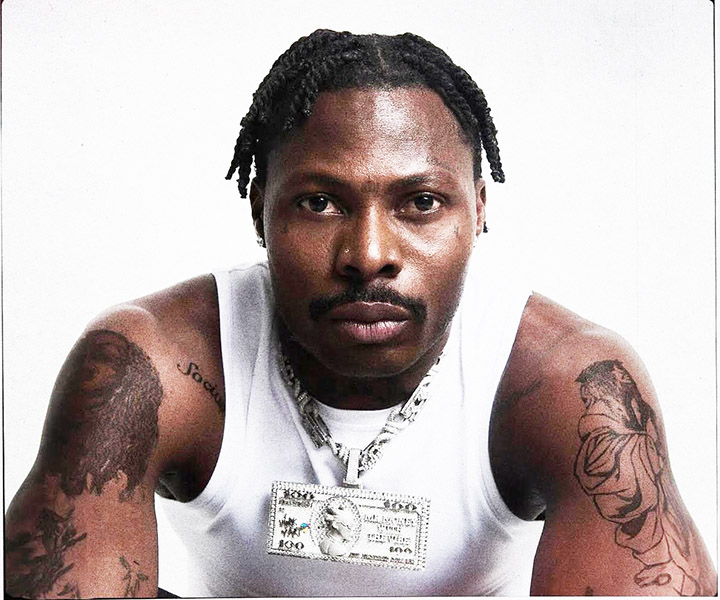
Before the sold-out arenas and global recognition, Asake was doing the less glamorous work. He danced, acted in small productions and appeared in skits while figuring out his path in entertainment.
That period probably didn’t look particularly impressive from the outside. But most successful careers have a version of this stage: the period when you’re doing the work without the audience, recognition or validation that eventually comes with it. We tend to celebrate the finished product. We rarely see the years of trying, experimenting and failing that made it possible.
You don’t always have to follow a fixed formula to be successful

There is a strange pressure to figure out the “right” way to succeed. Go to school, get the job. Build the career and follow the formula, which is not bad at all, but some people succeed precisely because they stop trying to fit into one. Korty EO kept making content in her own style and building a visual language that felt hers distinctly. Eventually, that style became part of what made people want to watch her work. Sometimes the thing you are tempted to change because it feels unusual is actually the thing that makes you memorable.
You do not always need permission to begin

Waiting for someone to create an opportunity for you can mean waiting forever. Fisayo Longe built Kai Collective instead of waiting for someone else to create the fashion space she wanted to see. There is something powerful about recognising a gap and deciding to fill it yourself. You don’t always need someone to tell you that you’re ready. Sometimes you become ready by starting.
One setback does not mean your story is over

When Mo’Hits ended, it would have been easy to assume that the story was finished. Instead, Don Jazzy started again. He built Mavin Records and created another chapter of his career, eventually becoming one of the most influential figures in Nigeria’s music industry. Starting again can be one of the hardest ways to bet on yourself because, unlike starting for the first time, you already know what it feels like to lose. But a setback can close one chapter without closing the entire story.
So, what are you waiting for?
Betting on yourself does not always mean quitting your job tomorrow, starting a company or making some huge, dramatic decision; it can be little steps taken.It is applying even when you don’t think you’ll get the role. Posting the work you’re convinced nobody will care about. Starting the project you’ve been talking about for months. Sending the email. Showing someone what you made. Trying again after the first attempt didn’t work. You may not know where any of those things will lead. Neither did Tems, Victor Osimhen, Chimamanda Adichie, Asake, Korty, Fisayo Longe, or Don Jazzy.
At some point, they all had to begin before they had proof that the thing would work. So maybe the better question isn’t “What if I fail?”It’s: What could my future be missing because I’m too afraid to bet on myself?