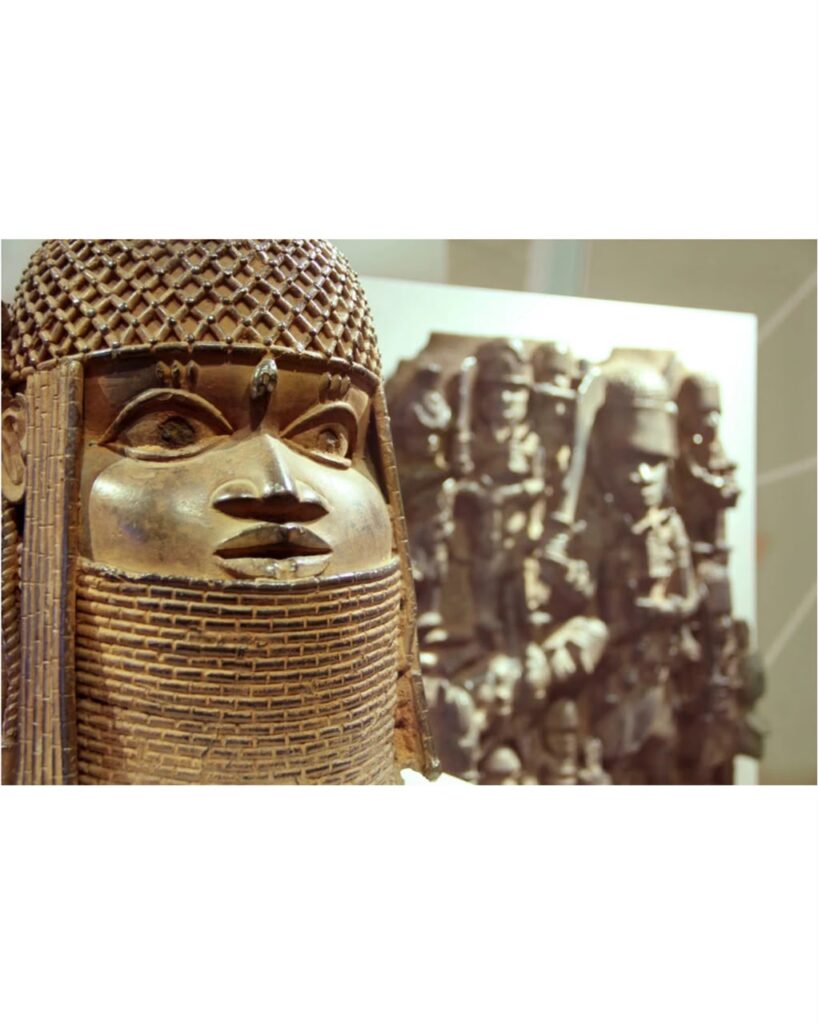
When a Benin artefact returned to the Oba’s palace in October 2026, it marked another step in the effort to recover objects taken during the British invasion of Benin City in 1897. The artefact had spent decades in a Dutch museum before being returned to the place it came from.
But there is another side to this story that deserves attention. What does it mean to grow up with a rich cultural history, only to find that many of the objects that help tell it are thousands of miles away?
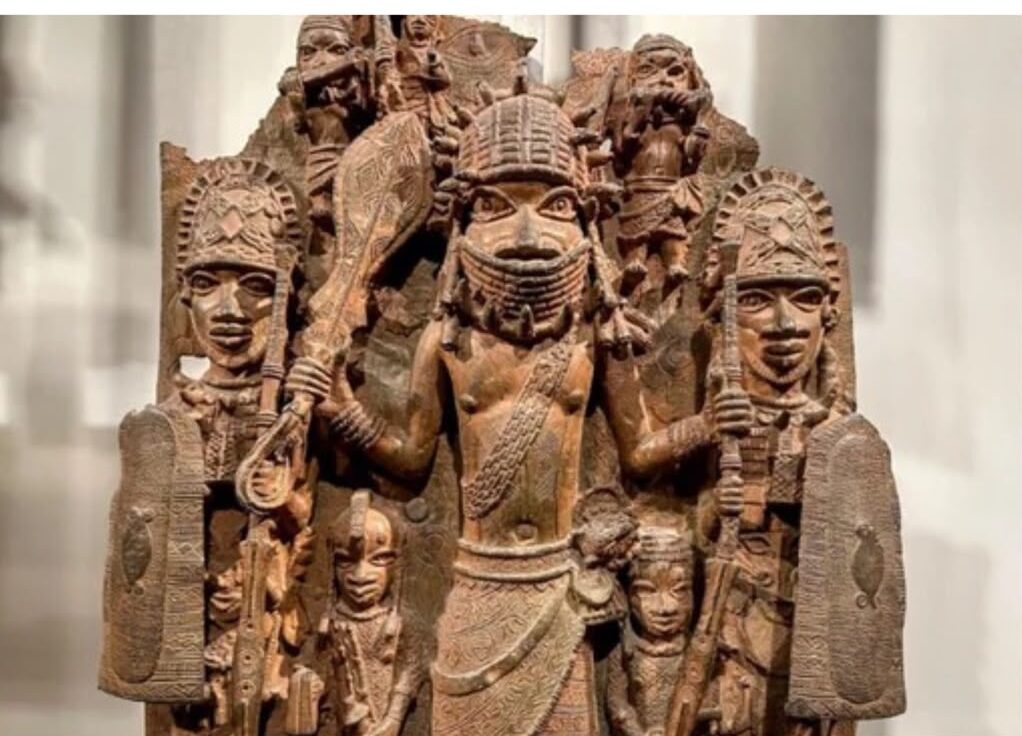
The Benin Bronzes are not simply beautiful works of art. They record royal history, reflect the skills of generations of Benin artists and carry cultural and spiritual meaning. Their removal meant that generations of people in Nigeria had fewer opportunities to encounter these objects in their place of origin, study them closely or learn directly from them. The Benin Bronzes are not the only Nigerian artefacts held abroad. The Ife terracotta head, returned by the Netherlands in 2020, and Nok terracottas that have surfaced in international trafficking cases are reminders of how much of Nigeria’s cultural heritage has travelled beyond its borders.
Each returned object is a piece of a much bigger story. How many more remain in foreign museums and private collections? How much do we still have to learn about them, and how many may never return? For generations, these objects have been kept far from the people and places whose histories they carry. Their return offers an opportunity to reconnect with that heritage, but it also leaves us wondering how much of it we have yet to recover.
This is about more than getting a piece of art back. It is about reconnecting people with their history, recovering cultural heritage taken through colonial violence and returning these works to the places where their stories began.
Their absence did not erase any of this ethnic group’s history. Families, traditional institutions, historians and communities continued to preserve that knowledge. But with these objects held thousands of miles away, generations of people have fewer opportunities to encounter them firsthand, study the details of their craft and connect with the history they carry.