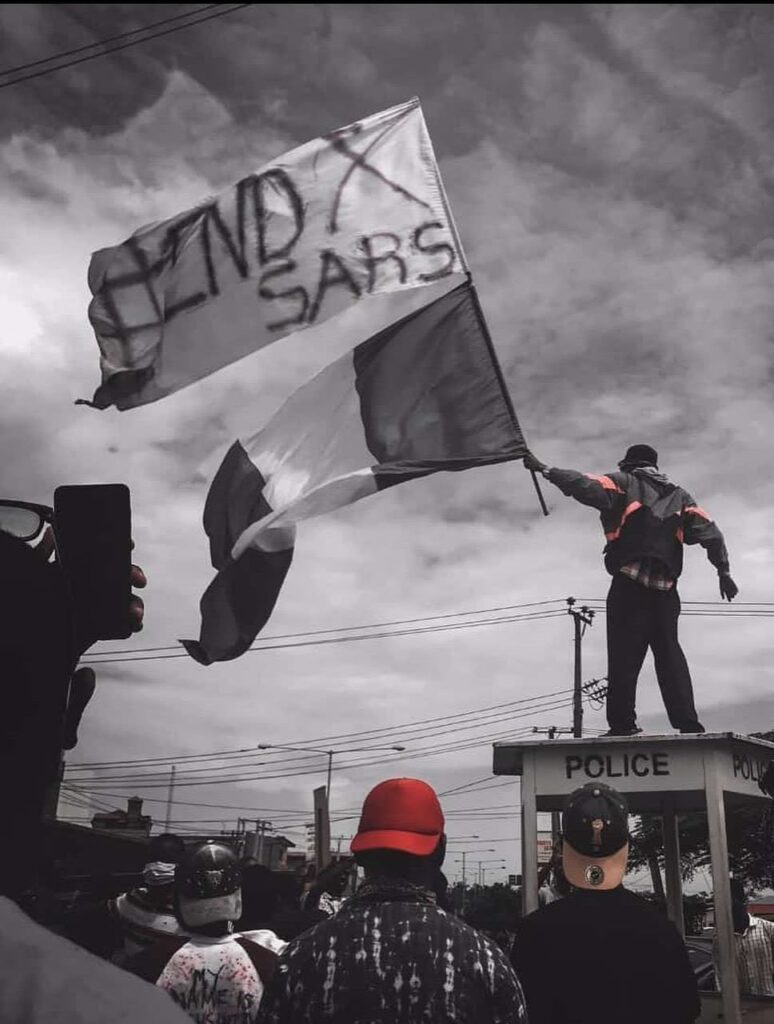
Six years ago, young Nigerians took to the streets demanding an end to police brutality, extortion and abuse. What began as a protest against the Special Anti-Robbery Squad (SARS) grew into a wider demand for police accountability and a country where people could exercise their rights without fear.
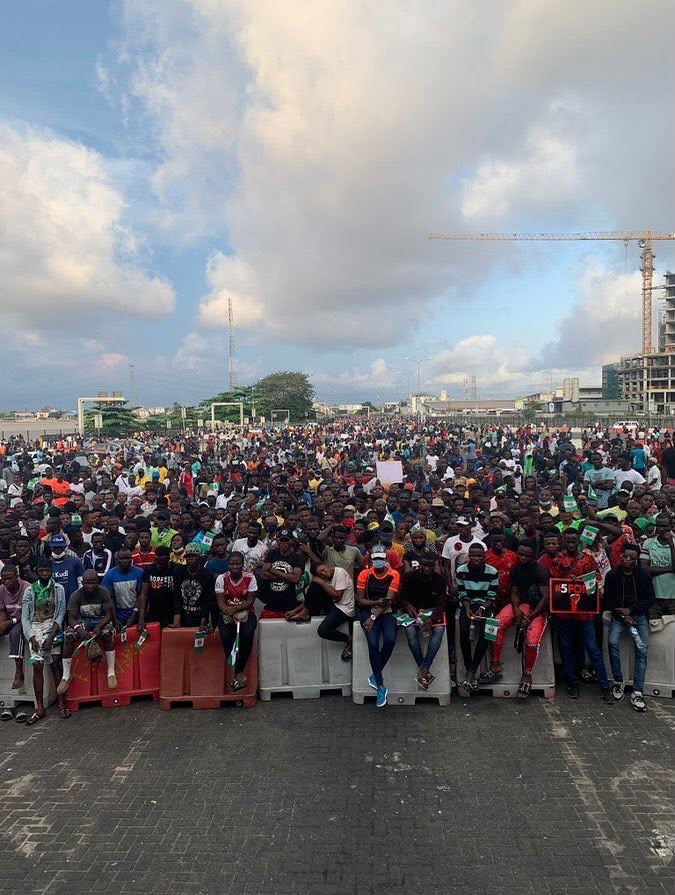
The #EndSARS protests brought long-standing grievances into public view. For many young Nigerians, it was about more than a police unit. It was about the experience of being stopped, searched, harassed or treated as a criminal by the very people meant to protect them.
Some things did change after the protests. SARS was disbanded, a new Police Act came into force in 2020, and judicial panels of inquiry were established across several states to investigate complaints of police brutality and recommend remedies. Police regulations and reform efforts also followed. But institutional changes do not automatically translate into justice. Unlawful arrests, extortion, torture and excessive use of force have continued to feature in complaints about police conduct. Questions about accountability remain, including whether officers responsible for abuses face consequences and whether victims receive the justice and compensation recommended by the judicial panels.
The panels were an important step towards addressing what happened, but their work was never meant to end with the submission of reports. Rights groups have continued to call for the implementation of their recommendations and accountability for abuses connected to the protests. Without meaningful follow-through, the question of what these processes have achieved for victims remains.
And that is what makes October 20, 2020, difficult to remember as a closed chapter. The significance of that day extends beyond the events at the Lekki Toll Gate. It also brings us back to why thousands of Nigerians took to the streets in the first place. They wanted to be treated with dignity. They wanted to move through their own country without fearing the people entrusted with their safety. They wanted to exercise their right to protest without facing violence or intimidation.
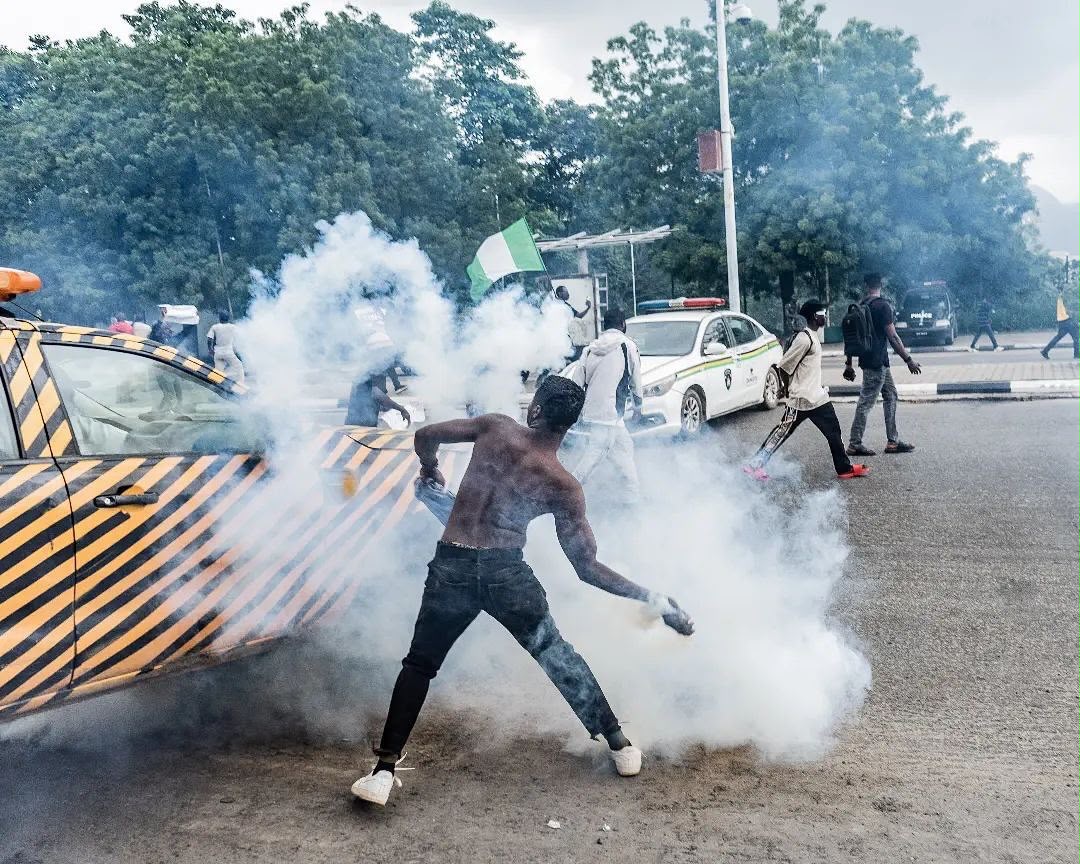
These were not unreasonable demands; they were calls for basic rights, safety and accountability. Six years later, remembering #EndSARS means confronting the distance between those demands and the reality many Nigerians continue to describe. It means asking whether the reforms introduced since 2020 have made a meaningful difference, whether the recommendations of the judicial panels have been implemented, and whether people can trust the institutions responsible for protecting them.
Every year on the 20th of October offers an opportunity to reflect, but remembrance alone cannot deliver justice. The questions raised by #EndSARS still matter. The demands for accountability still matter and the people whose lives were affected still matter.
20.10.20. Never forget.