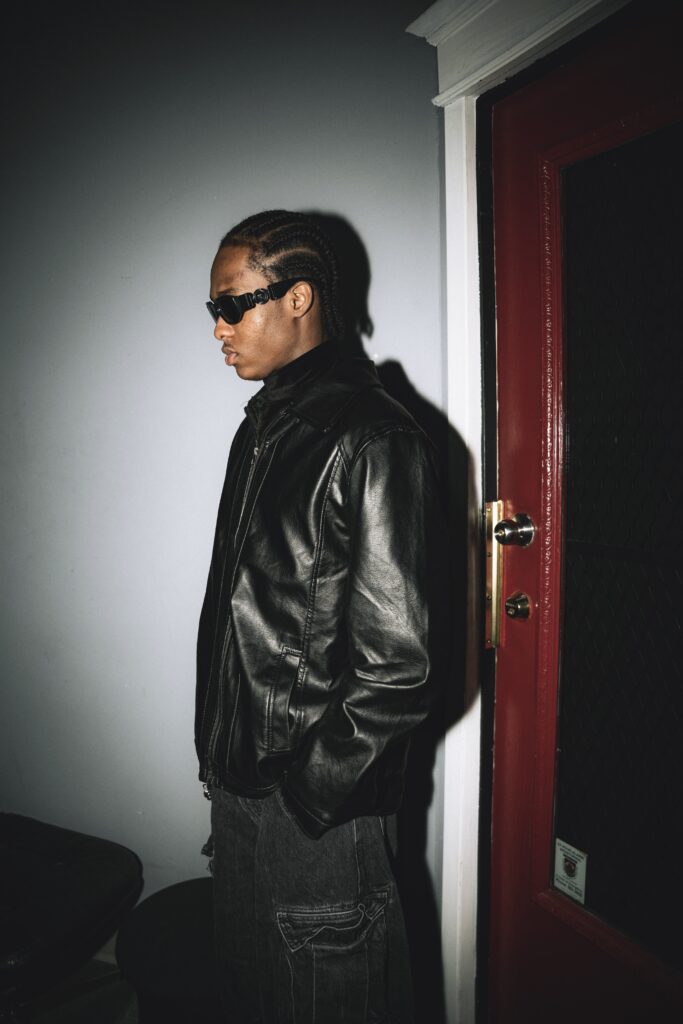

Richard Vedelago is interested in honesty. Not necessarily the kind that has to be explained, but the kind you can recognise when you see it. It is part of what has shaped his approach to art curation over the last three years and eventually, led to the creation of Windsor Gallery.

For Richard, curation is personal. It is about having a visual palette and using colour, form and selection to express what you think and what you want to say. “The way I create is specific to me,” he says. “It reflects my point of view. My art is that I am true to myself.”
That doesn’t mean he believes his way of seeing should become the audience’s way of seeing. In fact, he believes the opposite. Once a work leaves the artist and sits on a gallery wall, something changes. “I always say this to every artist: the moment that your work is on the wall, it’s no longer your work. It’s the audience’s work.”
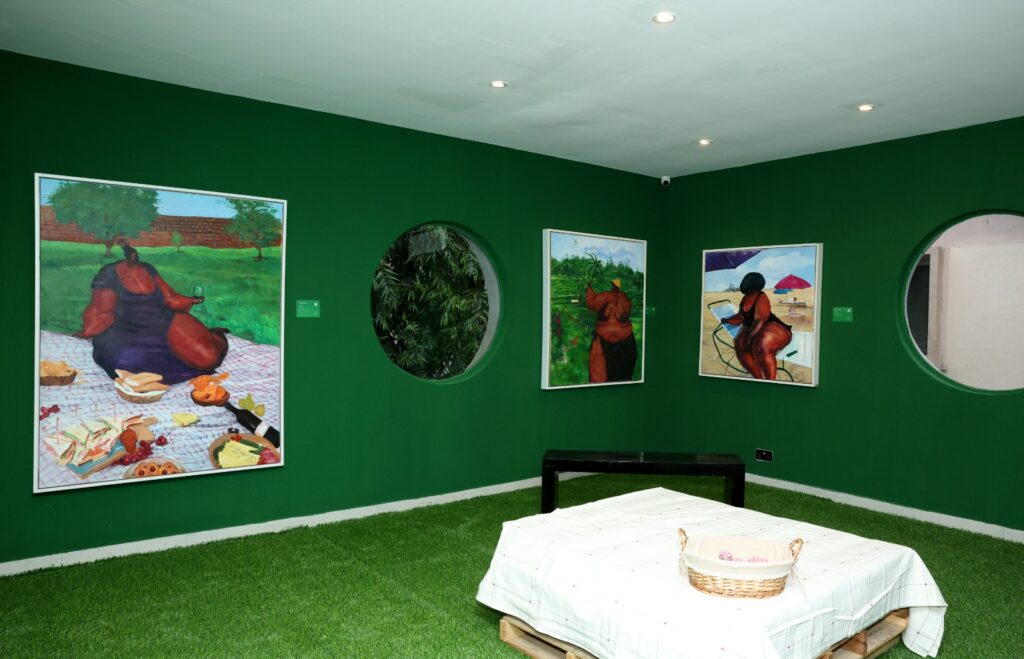
That freedom for the audience is important to Richard because, in his view, there is no wrong answer when you’re standing in front of good art. The work should give people somewhere to enter from, regardless of who they are or what they bring with them. “Good art is a portal that allows people from different walks of life to participate.”
It is this sense of freedom that made Uthman Wahab’s “Alas, We Meet Again” series stand out to him. There is an honesty to the work and a sense of liberation in the way its muse is allowed to exist, imperfect and perfect at the same time, without being forced into one particular idea of how they should be seen.
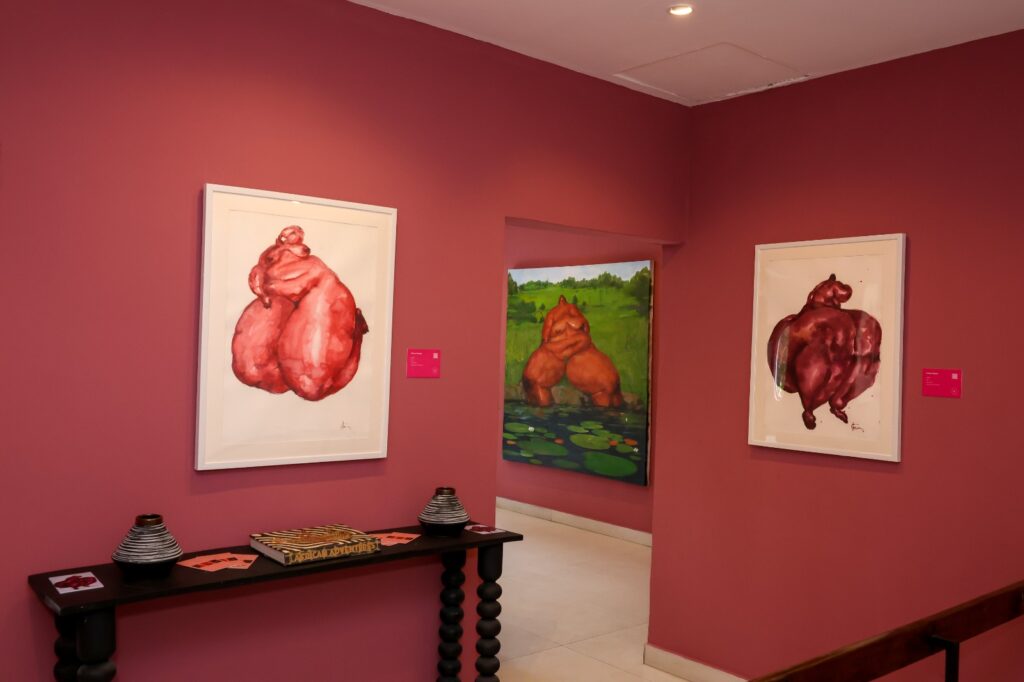
That same openness extends into Windsor Gallery itself. Richard has structured the space first as a place to exhibit art, but also as a place where people can gather around it. A whisky and cigar night can happen alongside an art talk; a movie night can sit next to a debate, silent disco or pop-up.
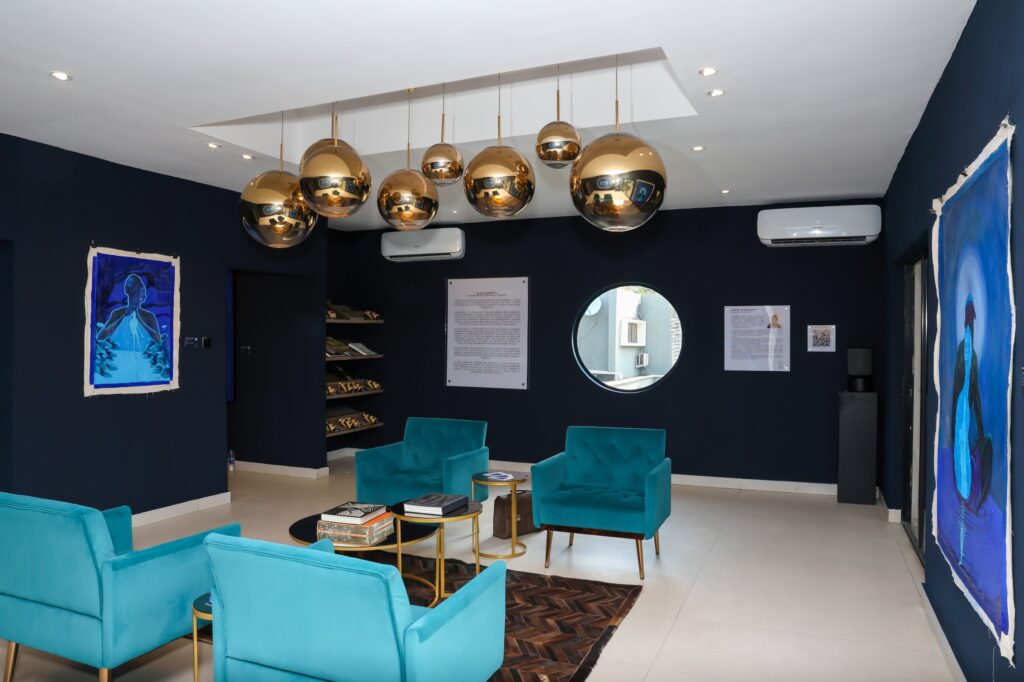
The gallery, in that sense, feels connected to Richard’s own way of creating. He has a point of view, and he is unapologetic about it, but he also understands that art becomes something else once other people encounter it. For him, the point isn’t to dictate what people should see. It is to put something honest on the wall and let people find their own way into it.